Shopping for a used EV under $25,000 in 2026 can be one of the smartest ways to enter the electric vehicle market without taking a large depreciation hit. The key is buying the right car for your real driving needs, not just the lowest price you can find.
This guide focuses on practical, U.S.-market used EV options that are commonly found under $25,000 depending on model year, trim, mileage, condition, and local market demand.
What you will get in this guide:
- The best used EVs to consider under a $25,000 budget
- What each model is best for (commuting, family use, city driving, etc.)
- How to compare battery health, mileage, and condition
- How to message sellers with the right questions before you buy
Important 2026 Tax Credit Update (Do Not Skip This)
Many older articles still mention a federal used EV tax credit for vehicles priced at $25,000 or less. However, the IRS has updated guidance and states that the Previously-Owned Clean Vehicle Credit is not available for vehicles acquired after Sept. 30, 2025 (with limited transition rules for qualifying acquisitions made on or before that date).
What this means in practice: In 2026, do not assume a used EV purchase under $25,000 automatically qualifies for a federal tax credit. Verify current IRS rules and your specific eligibility before making a purchase decision.
How We Chose the Best Used EVs Under $25,000
This is not just a list of cheap EVs. We focused on vehicles that usually offer a stronger ownership experience in 2026 buyers' budgets, including:
- Real-world range for the price
- Charging convenience
- Reliability reputation and service access
- Interior practicality
- Used market availability in the U.S.
- Overall value relative to mileage and condition
Best Used EVs Under $25,000 in 2026 (Practical Picks)
1) Chevrolet Bolt EV (Best Overall Value for Most Buyers)
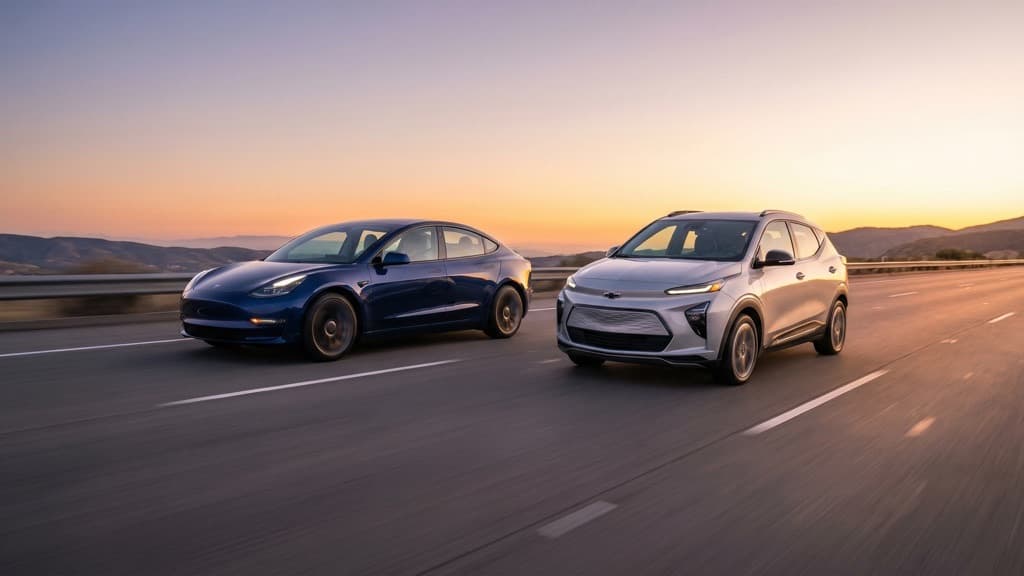
The Chevy Bolt EV remains one of the strongest used EV values for buyers who want useful range, practical hatchback packaging, and a relatively approachable price point.
Why it is a top pick:
- Strong range for a budget used EV (varies by model year and battery)
- Efficient daily commuting option
- Often easier to find under $25,000 than many newer EVs
- Practical hatchback cargo space for daily use
Best for: commuters, first-time EV buyers, budget-focused shoppers who still want solid range.
2) Chevrolet Bolt EUV (Best Budget EV for Extra Space)
If you like the Bolt EV's value but want a bit more interior flexibility, the Bolt EUV is often worth watching in local listings. In many markets, higher-mileage or older examples may appear near this budget range.
Why buyers like it:
- More spacious feel than the Bolt EV
- Practical daily family use for a budget EV
- Good balance of usability and cost when priced right
Best for: buyers who want budget EV value but need more cabin room.
3) Nissan Leaf (Best Low-Cost Entry EV for City Driving)
The Nissan Leaf is often one of the easiest EVs to find under $25,000. It can be a smart buy if you match the vehicle to your driving pattern.
Why it still matters in 2026:
- Widely available used inventory
- Often very affordable compared with newer EVs
- Simple, proven EV ownership for local driving
Important caution: Leaf battery, model year, and trim matter a lot. Some older versions have much shorter range than newer EVs. Always compare expected range to your real commute.
Best for: city drivers, short commutes, second-car households, budget-first buyers.
4) Nissan Leaf Plus (Best Leaf Option if You Need More Range)
If you are considering a Leaf, look specifically for the Leaf Plus where available and within budget. It is often the better choice for buyers who need more daily flexibility than earlier lower-range Leaf versions.
Best for: buyers who want Leaf affordability but need stronger range than the base versions.
5) Hyundai Kona Electric (Best Range-to-Price Value in Many Markets)
Used Hyundai Kona Electric models can be excellent budget EV buys when pricing lines up with mileage and condition. In some U.S. markets, earlier-year examples may fall under $25,000.
Why it is a strong contender:
- Competitive range for the size
- Compact crossover format many buyers prefer over sedans
- Good fit for commuters who want more ride height than a compact hatchback
Best for: buyers who want a compact crossover feel with strong EV efficiency.
6) Kia Niro EV (Best Practical Budget EV for Everyday Use)
The Kia Niro EV is a practical, no-drama choice in the used EV market. It often appeals to buyers who want an EV that feels easy to live with rather than flashy.
Why buyers choose it:
- Practical cabin and cargo space
- Usable range for daily driving and many weekend trips
- Strong all-around package when found at the right price
Best for: families, commuters, and buyers who prioritize practicality over brand prestige.
7) MINI Cooper SE (Best Fun City EV Under $25,000)
The MINI Cooper SE can be a great option if your driving is mostly local and you want something compact, easy to park, and more fun to drive than most budget EVs.
What to know before buying:
- Range is more limited than many mainstream EV alternatives
- Works best for short-to-moderate daily driving
- Great fit if style and city usability matter more than long-distance range
Best for: city drivers, short commutes, buyers with home charging and a second car option.
8) Hyundai Ioniq Electric (Best Efficiency-Focused Budget Option)
The Ioniq Electric is often overlooked, which can create value for informed buyers. It is usually best for efficient commuting rather than buyers who need larger crossover space.
Best for: buyers who want an efficient, practical commuter EV and prioritize value over trendier nameplates.
Occasional Under-$25,000 Finds (Market-Dependent)
Some models can appear under $25,000 in specific markets or higher-mileage configurations, but inventory and pricing can vary a lot:
- Tesla Model 3 (early years / higher mileage)
- Volkswagen ID.4 (early years / higher mileage or local pricing dips)
These can be excellent buys when priced well, but do not assume they will be consistently available under $25,000 in every city.
How to Compare Used EV Listings Under $25,000 (The Right Way)
Price alone is not enough. A cheaper EV can become the worse deal if battery condition, title status, or maintenance needs are poor.
1) Check Battery and Range Fit
- Does the expected range fit your real weekly driving?
- How often will you fast charge vs home charge?
- Is the seller showing realistic current range or only original brochure numbers?
2) Compare Mileage Against Price and Model Year
- Higher mileage is not automatically bad if price and condition are right
- Compare multiple local listings before deciding a car is "cheap"
- Look for unusual price gaps and ask why
3) Verify Title and Accident History
- Clean vs salvage title matters a lot for resale and insurance
- Ask directly about accidents, repairs, and replaced components
4) Check Open Recalls by VIN
Before you buy, use the official NHTSA recall lookup to check for open recalls using the VIN.
5) Confirm Charging Equipment and Daily Usability
- Does the seller include the charging cable?
- What charging connector and charging habits were used most often?
- Are there signs of heavy cosmetic wear that affect value?
Questions to Ask a Seller Before You Message or Visit
Use this checklist when comparing used EV listings under $25,000:
- What trim and battery version is this?
- What is the current estimated range at a full charge?
- Has the battery or any major component been replaced?
- Any accidents, paintwork, or title issues?
- How often was the vehicle DC fast charged?
- Does it come with a charging cable?
- Any open recalls or recent service records?
These questions help you avoid wasting time on low-quality listings and make your first message more effective.
Browse Used EV Listings Under $25,000 on EvValley
If you want the fastest path to a shortlist, start by comparing real listings and narrowing by budget, mileage, and location.
- Filter by price and category
- Compare mileage and condition side by side
- Message sellers directly with your checklist questions
Browse EV listings under $25,000 on EvValley
If you are flexible on budget, expanding slightly can unlock stronger options in some markets:
Browse EV listings under $30,000
Open to Hybrids Too?
If you are comparing all electrified options in a budget range, it can also help to compare hybrid listings in the same price band and mileage range before deciding.
Browse EV and hybrid listings on EvValley
Selling an EV Under $25,000? You Can Still Attract Serious Buyers
Budget EV buyers can move quickly when a listing is priced correctly and clearly documented. If you are selling, your listing should make the value obvious:
- Clear battery/range details
- Honest condition notes
- Good photos in daylight
- Straightforward pricing
- Title status clearly stated
Final Verdict
The best used EV under $25,000 in 2026 depends on your driving pattern:
- Best overall value: Chevy Bolt EV
- Best budget family-leaning value: Chevy Bolt EUV / Kia Niro EV
- Best low-cost city option: Nissan Leaf
- Best fun city EV: MINI Cooper SE
- Best range-to-price compact crossover value (market-dependent): Hyundai Kona Electric
Do not shop by price alone. Compare range fit, mileage, battery condition, and title history, then message sellers with the right questions before you visit.
Frequently Asked Questions
Can you still get a federal tax credit on a used EV in 2026?
Do not assume so. IRS guidance states the Previously-Owned Clean Vehicle Credit is not available for vehicles acquired after Sept. 30, 2025, with limited transition rules for qualifying earlier acquisitions. Verify current IRS guidance before buying.
Is a used Tesla Model 3 available under $25,000 in 2026?
In some markets, higher-mileage or older Model 3 examples may appear under $25,000, but availability and pricing vary significantly by location and condition.
What is the best used EV under $25,000 for commuting?
For many buyers, the Chevy Bolt EV is one of the strongest all-around commuter values, while the Nissan Leaf can also be a good fit for shorter city driving depending on model year and range needs.
What should I check before buying a used EV?
Focus on battery/range fit, mileage, title status, accident history, recall status, and whether the seller can provide clear charging and service information.
Sources (Verify Before Publish)
- IRS: Used Clean Vehicle Credit (official)
- IRS: Clean Vehicle Tax Credits (official)
- U.S. Department of Energy: New and Used Clean Vehicle Tax Credits
- FuelEconomy.gov (EPA/U.S. DOE consumer fuel economy and EV information)
- NHTSA Recalls Lookup (official)
Pricing and availability vary by market, mileage, trim, condition, and timing. Always verify listing details and official guidance before purchasing.