Ford reported a sharp decline in electric vehicle sales in the fourth quarter of 2025, highlighting growing demand challenges across the U.S. EV market.
The company delivered 14,513 EVs in Q4 2025, marking a 52% year-over-year drop, even as its overall U.S. vehicle sales increased by 3% during the same period.
EV Sales Declined Across All Ford Models
Ford’s entire EV lineup saw lower sales in Q4:
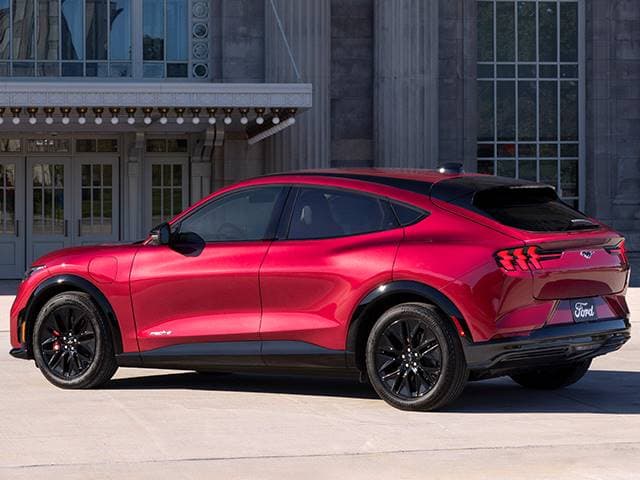
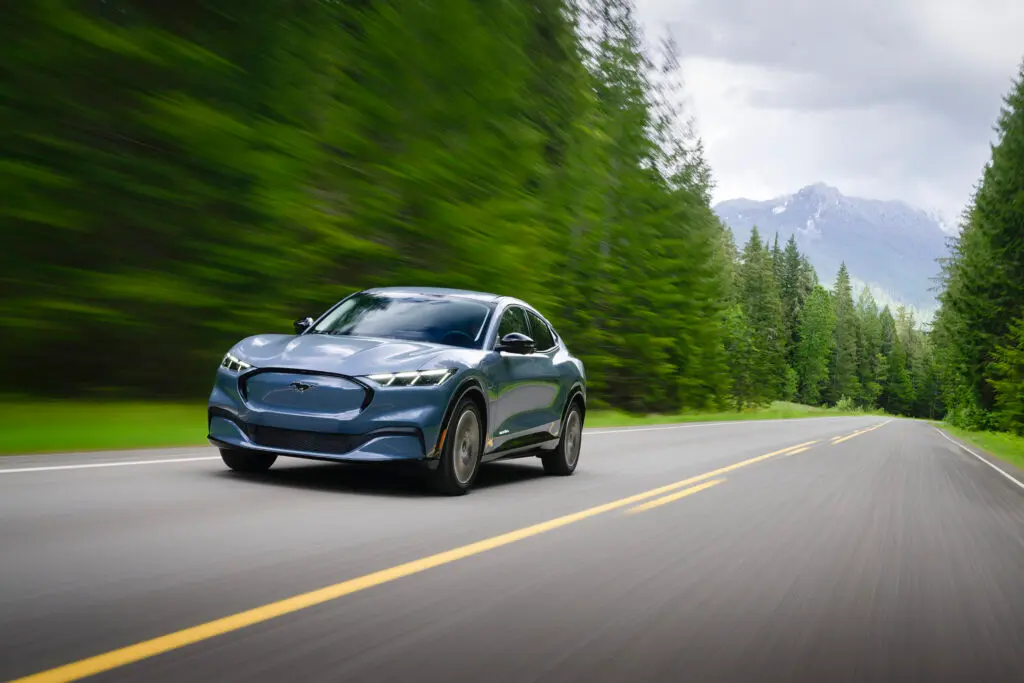
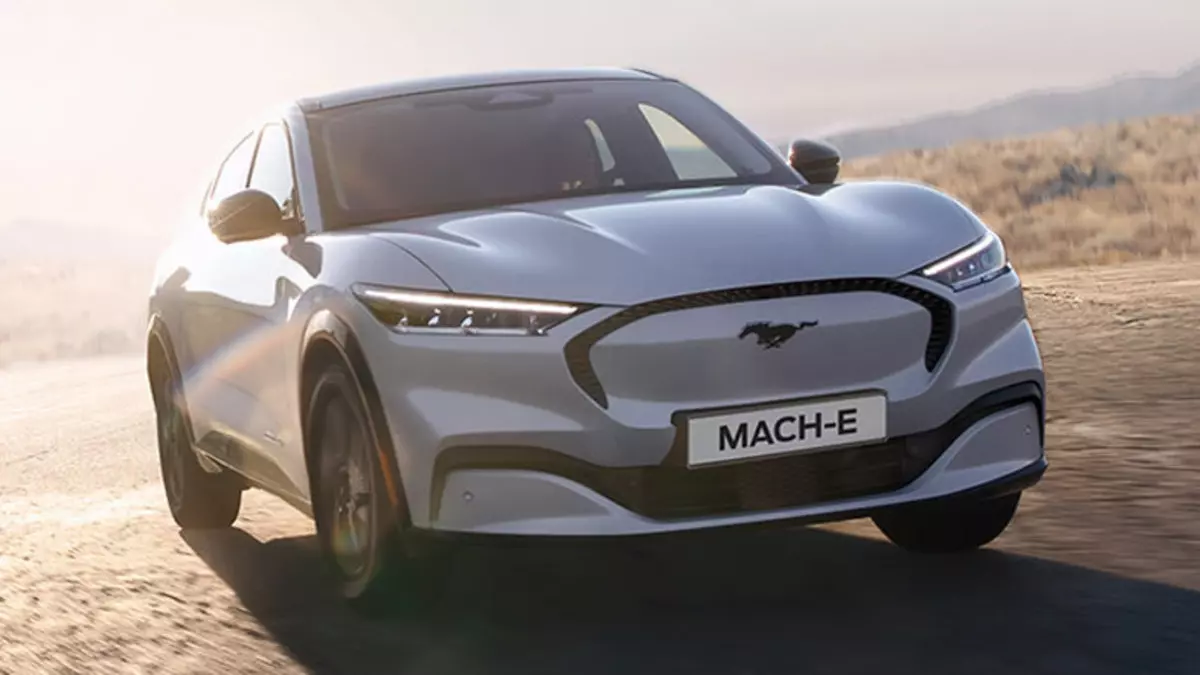
- Mustang Mach-E: 9,658 units (-40% YoY)
- F-150 Lightning: 4,273 units (-60% YoY)
- E-Transit: 582 units (-83% YoY)
The Mustang Mach-E remained Ford’s top-selling EV, accounting for 67% of total EV sales, while the F-150 Lightning made up 29% and the E-Transit just 4%.
Overall, EVs represented only 2.6% of Ford’s total U.S. sales during the quarter.
Why Ford’s EV Sales Are Falling
Several key factors are driving this decline:
1) End of Federal EV Tax Credit
The expiration of the $7,500 U.S. federal EV tax credit in late 2025 reduced affordability for many buyers.
2) Slower Demand in Key Segments
Demand for electric trucks and commercial vehicles has softened, particularly as buyers become more price-sensitive.
3) A More Competitive EV Market
The EV industry is entering a new phase where:
- Pricing pressure is increasing
- Consumers are comparing more options
- Growth is becoming less predictable
Ford’s Strategy Shift: From Growth to Efficiency
Ford is already adjusting its long-term EV strategy.
CEO Jim Farley has emphasized a shift toward:
- Hybrid vehicles
- Extended-range EVs (EREVs)
- Lower-cost platforms like the upcoming UEV (Universal EV) architecture
The UEV platform is expected to support future models including a midsize electric pickup in 2027, along with crossovers, vans, and SUVs.
Ford’s goal is to reduce production costs and improve scalability, with a target of making its EV division profitable by 2029.
What This Means for the EV Market
Ford’s 52% drop is not just a company-specific issue — it reflects a broader shift happening across the EV industry.
The market is moving from:
Rapid expansion → to demand-driven growth
Where success depends on:
- Pricing strategy
- Cost control
- Real-world consumer demand
Final Take
The EV market is no longer just about building electric vehicles.
It’s about building vehicles that people are willing to buy at scale.
Ford’s latest results are a clear reminder:
Growth alone is not enough anymore. Execution, pricing, and demand alignment are now what define winners.
Explore now: EV listings, List your EV, EvValley homepage.