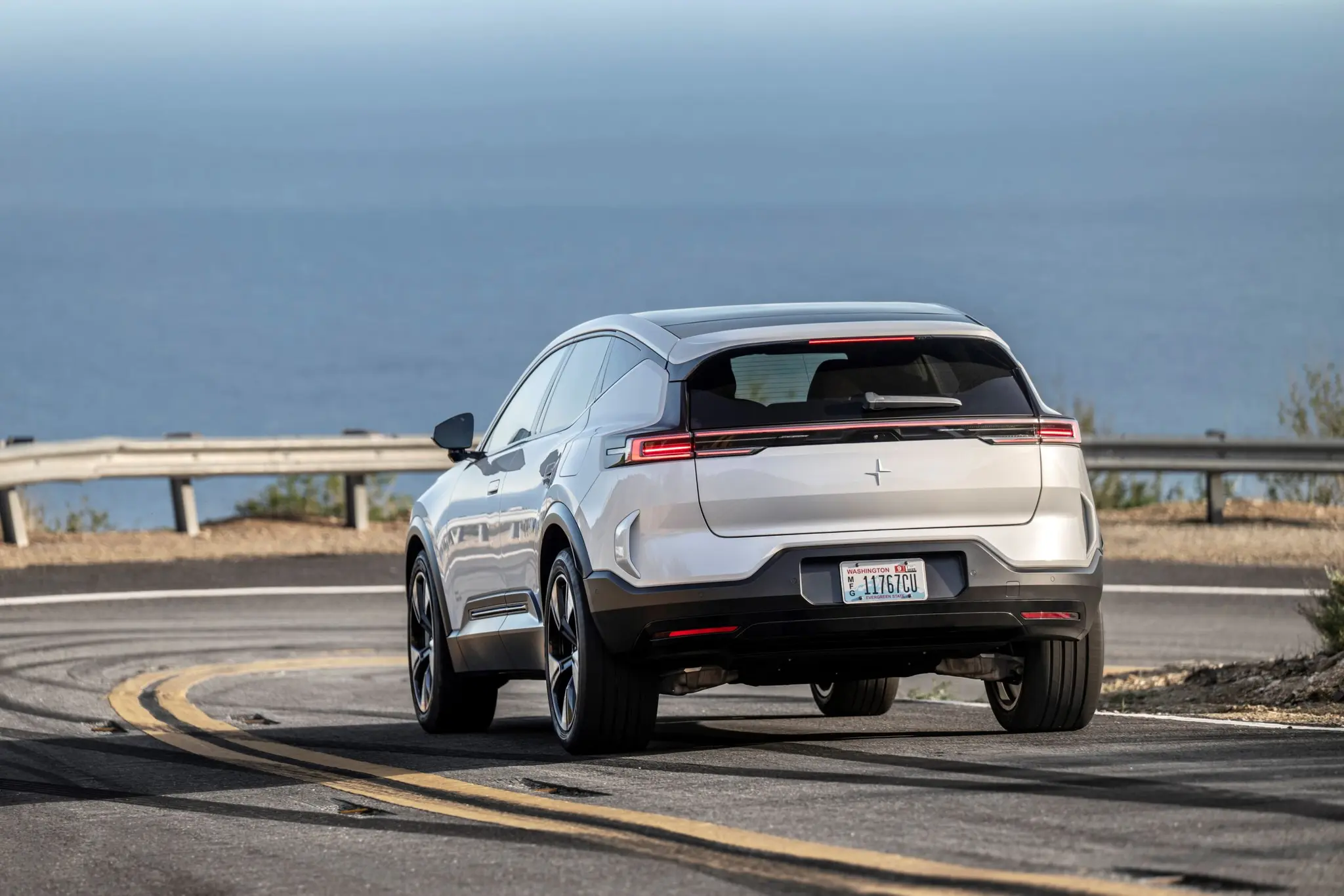
Polestar is operating in an EV market that is no longer only about building great products. It is also about capital, liquidity, and the ability to keep executing in a more demanding environment.
That is why the company’s recent financing moves matter.
Since late 2025, Polestar has announced multiple capital actions aimed at strengthening liquidity and supporting operations as the EV market becomes more competitive and more financially disciplined.
This Is Not a One-Time Financing Move
Polestar’s recent capital activity has come in several steps rather than a single transaction.
- December 2025: Polestar announced $300 million in new equity and the planned conversion of roughly $300 million of debt into equity
- February 2, 2026: Polestar announced an additional $400 million equity financing
That means the company has publicly announced at least $700 million in fresh equity funding since late 2025, alongside broader balance-sheet support measures.
Growth Is Real, but Financial Pressure Is Still Real Too
Polestar is still growing. The company reported retail sales of approximately 60,119 vehicles in 2025, a year-over-year increase of about 34%. That was its strongest year so far.
But sales growth alone does not remove financial pressure.
The EV market continues to face:
- Intensifying price competition
- Slower demand growth in some regions
- High manufacturing and development costs
- Ongoing capital and liquidity pressure across the sector
That is why balance-sheet strength matters so much. Even brands with product momentum still need funding flexibility to keep investing and operating without losing speed.
Why This Funding Matters
These financing steps give Polestar more room to operate. The company can continue supporting product development, market expansion, and short-term liquidity needs while navigating an increasingly difficult EV environment.
They also send a broader signal: capital in the EV sector is becoming more selective, more structured, and more disciplined than it was during the early growth phase of the market.
The EV Industry Is Entering a More Mature Phase
Polestar’s funding moves reflect a wider shift across the EV industry. Growth is still important, but investors are paying closer attention to capital efficiency, liquidity management, and execution quality.
Over the past few years, many EV companies entered the market promising scale. Now the separation between companies that can sustain operations and those that struggle under financial pressure is becoming more visible.
In other words, product quality still matters, but financial durability matters more than ever.
Why This Matters for EvValley
From EvValley’s perspective, this shift matters because buyers and sellers are operating in a market where confidence and trust are becoming even more valuable.
Users increasingly need:
- Trusted marketplaces
- Transparent pricing
- Better decision-making tools
- Reliable seller-buyer connections
As the EV market matures, the focus is no longer only on the vehicle itself. It is also on how vehicles are discovered, compared, and transacted.
Final Thoughts
Polestar’s recent funding activity is a clear reminder that the EV market is still growing, but it is also becoming more demanding.
The companies that succeed in the next phase will not only build strong products. They will also manage liquidity well, raise capital intelligently, and execute consistently under pressure.
In this market, speed still matters. But staying in the game increasingly depends on financial strength.
Explore now: EV listings, List your EV, EvValley homepage.