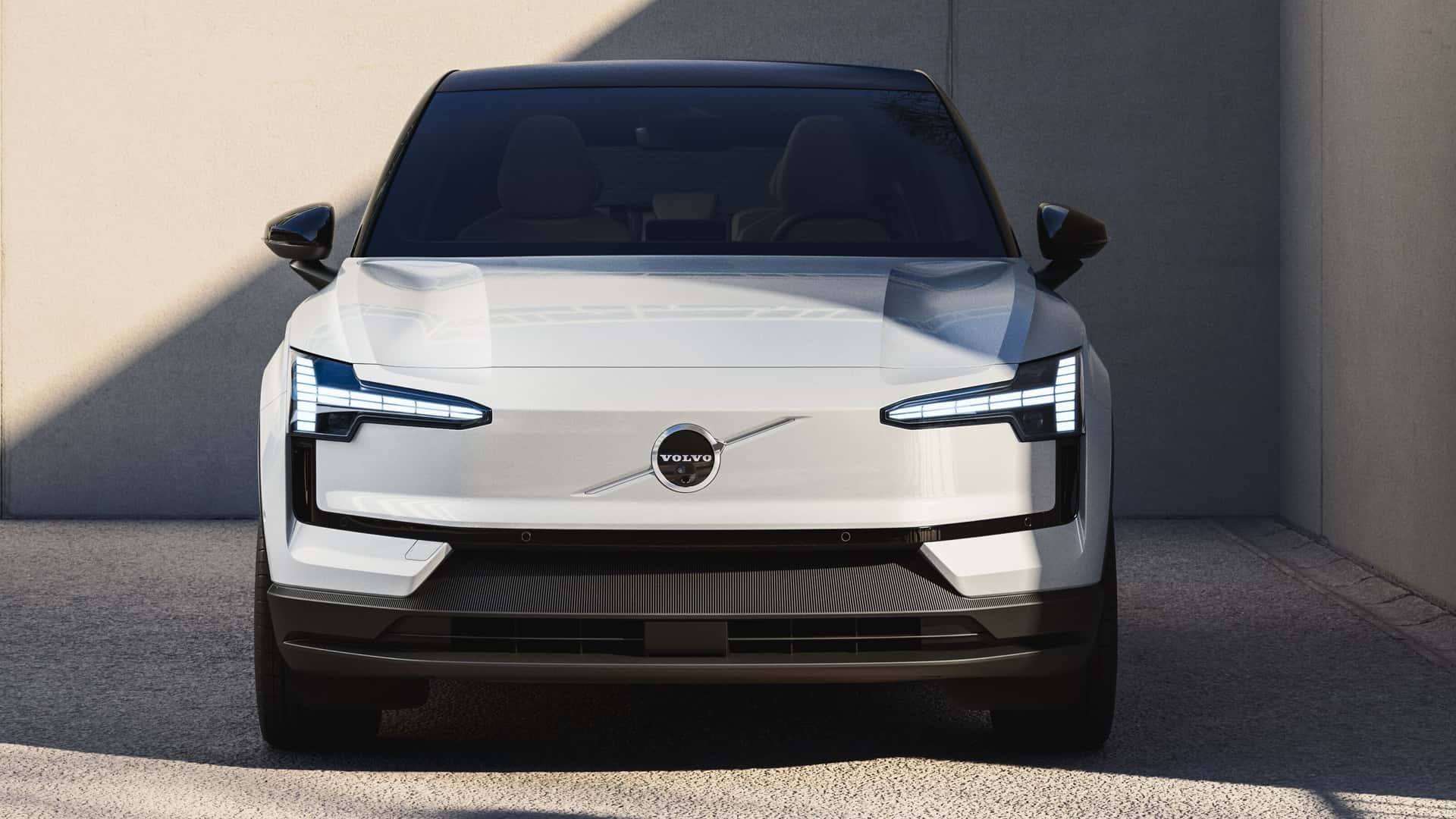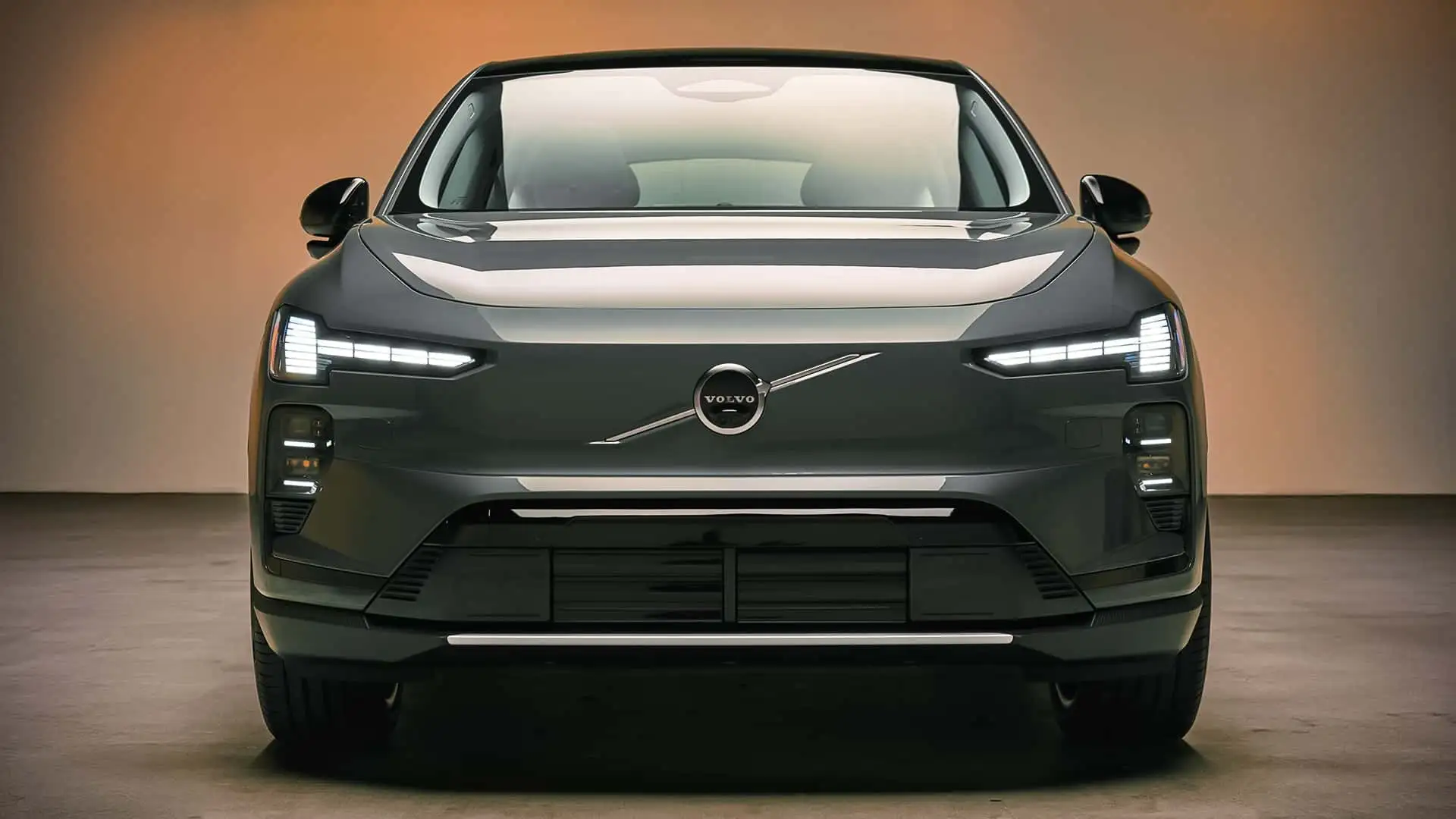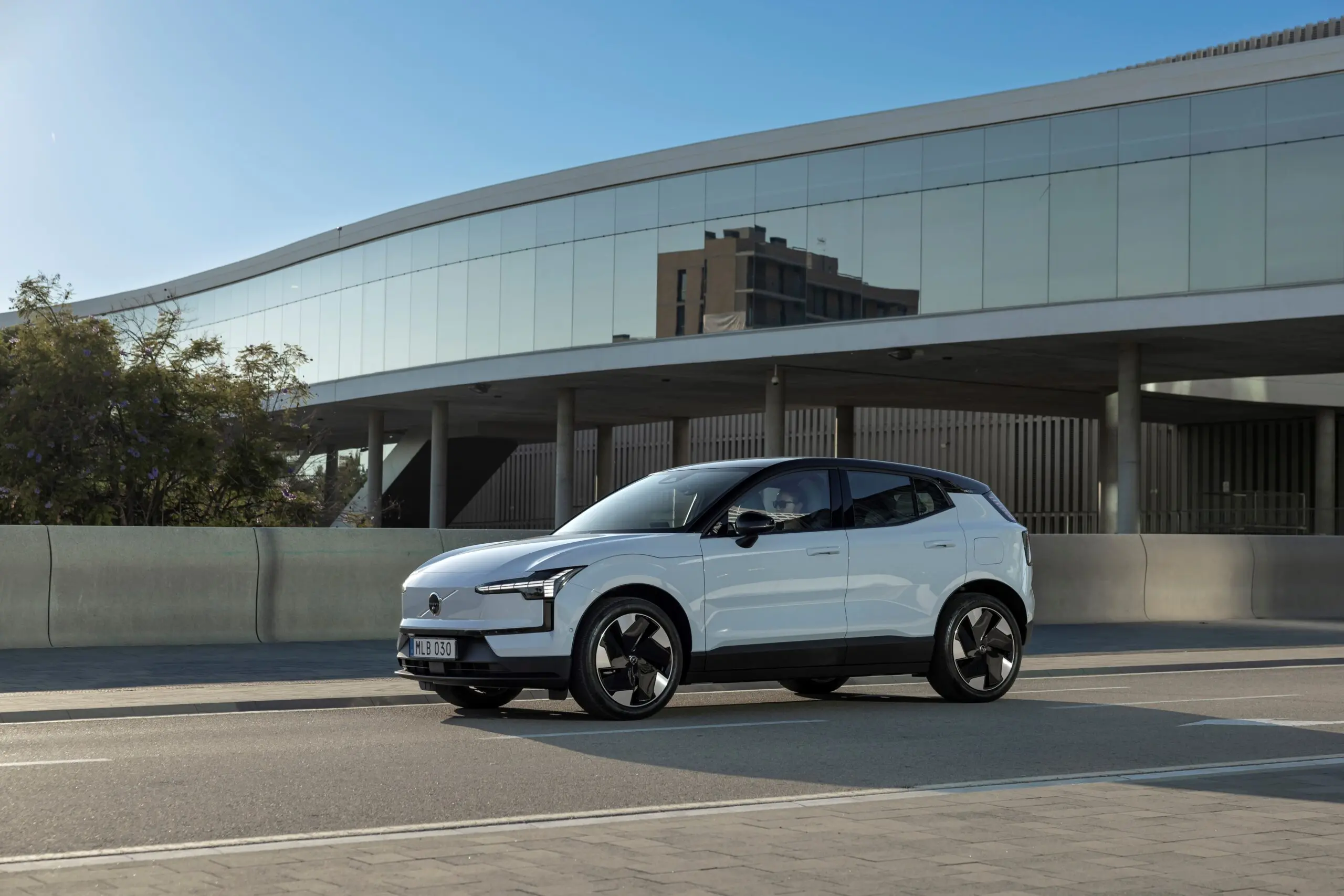
Volvo is making a significant shift in its U.S. electric vehicle strategy.
The company has confirmed that it will discontinue the EX30 and EX30 Cross Country in the United States after the 2026 model year, marking a notable retreat for one of the most anticipated affordable EVs in the market.
The decision highlights a growing reality in the EV space: pricing pressure, tariffs, and changing incentives are reshaping what vehicles can realistically compete in the U.S.
From Affordable EV to Pricing Challenge
When Volvo first introduced the EX30 in 2023, it was positioned as a breakthrough product.
With a target price below $35,000, the EX30 aimed to become one of the most accessible electric crossovers in the U.S. market. It had the potential to attract a new wave of EV buyers looking for a compact, premium option at a lower price point.
That strategy changed quickly.
Due to trade policies, Volvo was forced to move production from China to Belgium after the U.S. imposed a 100% tariff on Chinese-made EVs. Additional import costs further increased the price.
As a result:
- The EX30’s starting price rose to around $41,700
- The Cross Country variant approached $50,000
At those levels, the EX30 lost its original competitive advantage.
A Broader Shift in the U.S. EV Market
Volvo’s decision is not happening in isolation.
The U.S. EV market is going through a transition period driven by several factors:
- Tariffs on imported EVs
- Reduction or removal of incentives such as the $7,500 federal tax credit
- Slowing demand growth in early 2026
- Increasing competition across both premium and entry-level segments
These changes are forcing automakers to rethink which models make sense for the U.S. market.
Several brands have already taken similar steps:
- Volkswagen paused shipments of the ID. Buzz
- Nissan discontinued the Ariya in the U.S.
- Hyundai pulled back on the standard Ioniq 6
This signals a clear trend: not every global EV model can survive U.S. market conditions right now.
What’s Next for Volvo
Despite discontinuing the EX30 in the U.S., Volvo is not stepping back from electrification.
The company maintains its goal of having 90% to 100% of global sales electrified by 2030, including both fully electric and plug-in hybrid vehicles.
In fact, Volvo is already preparing its next move.
The upcoming EX60 electric SUV, expected to launch in the U.S. later this year, is projected to offer up to 400 miles of range and will likely play a key role in Volvo’s next phase.
Meanwhile, the EX30 will continue to be sold in other markets such as Canada and Mexico, where pricing conditions remain more favorable.
What This Means for EV Buyers
The EX30’s exit reveals something important for buyers.
The idea of a truly affordable EV in the U.S. is becoming more complex. Pricing is no longer determined only by production costs, but also by policy, incentives, and global supply chains.
For consumers, this means:
- Fewer low-cost EV options in the short term
- More price volatility across segments
- A stronger need to compare listings and find the best deals available
The EvValley Perspective
At EvValley, we see this shift clearly.
As the EV market evolves, access to the right vehicle at the right price is becoming more valuable than ever. Marketplaces are no longer just listing platforms. They are becoming tools for navigating a changing and sometimes unpredictable market.
That is why transparency, pricing clarity, and direct access to EV-focused inventory matter.
Final Thoughts
Volvo’s decision to discontinue the EX30 in the U.S. is more than just a product update.
It is a signal that the EV market is entering a more complex phase, where global strategy, local policy, and pricing dynamics all play a role.
For automakers, the challenge is staying competitive.
For buyers, the challenge is finding value.
And for platforms like EvValley, the opportunity is helping bridge that gap.
Explore now: EV listings, List your EV, EvValley homepage.