The electric vehicle industry is moving deeper into artificial intelligence and autonomy, and one of the latest developments comes from a new collaboration involving BYD and NVIDIA.
According to NVIDIA’s official press release published on March 16, 2026, automakers including BYD, Geely, Isuzu, and Nissan are adopting the NVIDIA DRIVE Hyperion platform for next-generation Level 4 vehicle programs.
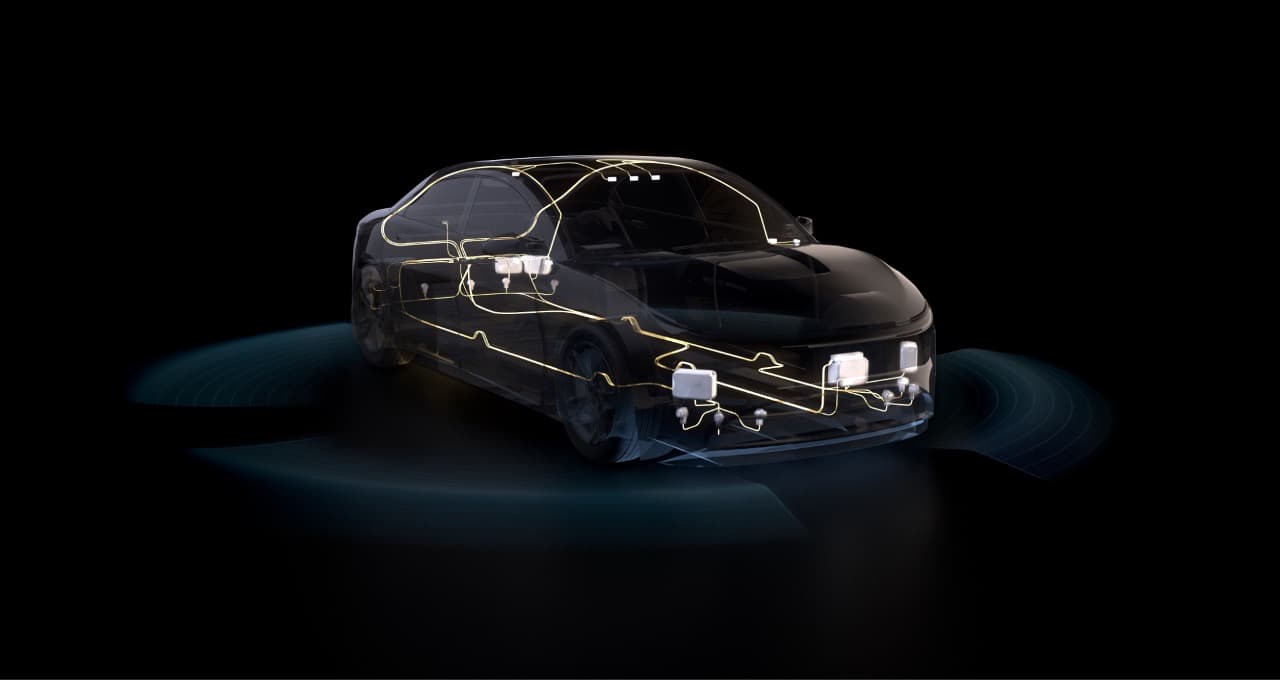
The platform combines AI computing, sensors, networking, safety systems, and autonomous driving software into a unified development architecture designed to accelerate intelligent vehicle deployment.
A Major Step Toward Level 4 Autonomous Driving
Level 4 autonomy is one of the most important milestones in autonomous mobility. It refers to vehicles that can operate without human intervention in defined environments and conditions.
NVIDIA says DRIVE Hyperion is built to support that shift by giving automakers a production-ready reference architecture for advanced autonomy programs.
Key elements of the platform include:
- High-performance AI compute
- Camera, radar, and lidar sensor integration
- Safety and redundancy architecture
- Autonomous driving software support
For automakers like BYD, this means a faster path toward building more advanced, AI-driven vehicle programs on a standardized stack.
BYD Joins a Broader Autonomous Vehicle Push
While the headline focuses on BYD, NVIDIA’s announcement makes clear that this is part of a much larger ecosystem shift. Geely, Isuzu, and Nissan are also building on DRIVE Hyperion, showing that major automakers increasingly view AI infrastructure as a core part of future vehicle development.
This trend reflects how car companies are evolving into software, compute, and autonomy companies in addition to being manufacturers.
Robotaxi Expansion Is Also Part of the Roadmap
NVIDIA is also expanding the robotaxi side of its mobility strategy. In the same announcement, the company said Uber plans to launch autonomous fleets powered by the full NVIDIA DRIVE AV stack across 28 cities and four continents by 2028.
According to NVIDIA, that rollout is expected to begin in Los Angeles and the San Francisco Bay Area in the first half of 2027.
Other mobility platforms, including Bolt, Grab, and Lyft, are also part of NVIDIA’s broader autonomous ecosystem.
Why This Matters for the EV Industry
The BYD and NVIDIA relationship highlights an important shift in the EV market: electrification alone is no longer the whole story. Increasingly, the next competitive battleground is intelligent driving, AI compute, simulation, and autonomous capability.
That matters because the future of EVs is likely to be defined not only by battery range and charging speed, but also by software performance, safety architecture, and the ability to support advanced automated driving systems.
A New Era of AI-Defined Mobility
NVIDIA CEO Jensen Huang described autonomous vehicles as one of the next major robotics industries, arguing that transportation is steadily moving toward AI-defined autonomy.
The adoption of DRIVE Hyperion by BYD and other automakers suggests that the race toward more capable self-driving vehicles is accelerating, even if full Level 4 deployment remains a gradual, market-by-market process.
Final Thoughts
The BYD-NVIDIA collaboration is another sign that the EV industry is entering a new phase where software, AI, and autonomy matter just as much as battery technology. For buyers, investors, and industry watchers, that makes partnerships like this especially important to follow.
Explore now: EV listings, List your EV, EvValley homepage.