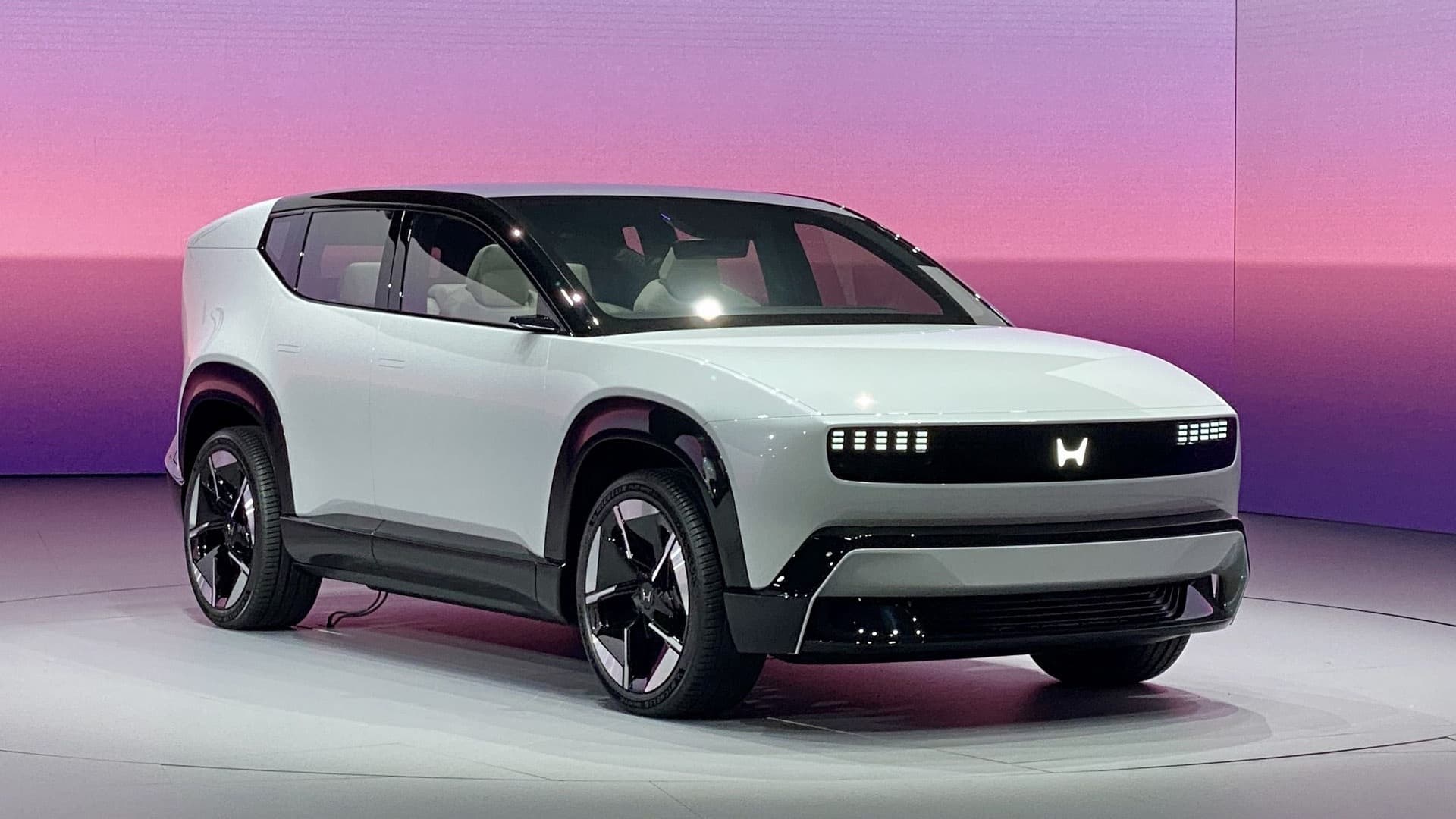
Honda has announced that it will cancel three planned electric vehicles for North America as part of a broader reassessment of its EV strategy, a move that could lead to major losses in the fiscal year ending March 31, 2026.
The decision reflects a clear shift in direction as the automaker responds to slower EV demand, policy changes in key markets, and rising competitive pressure, especially in North America and China.
Honda Is Canceling Three Planned North America EVs
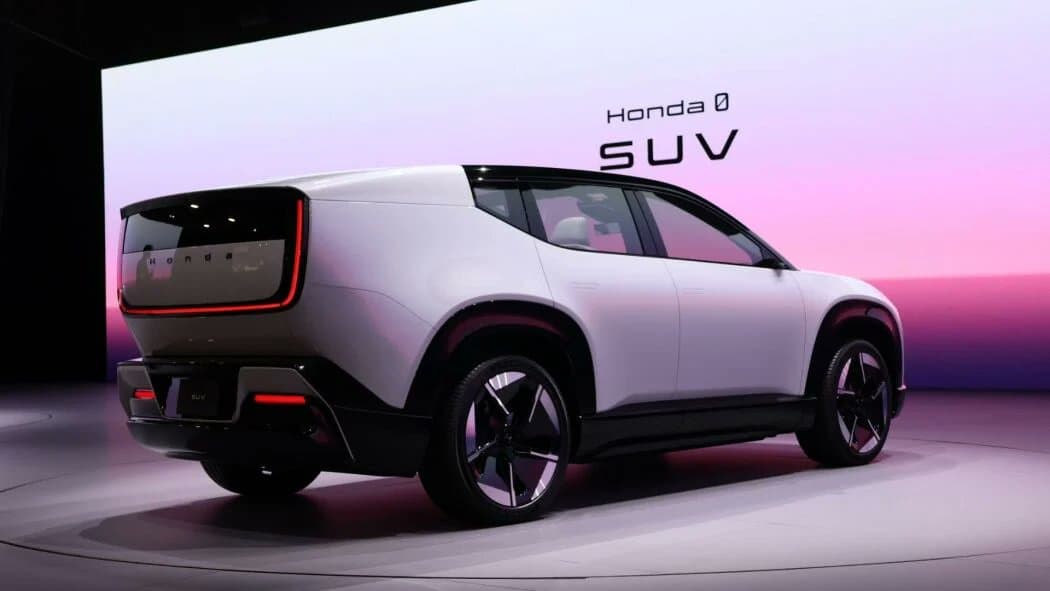
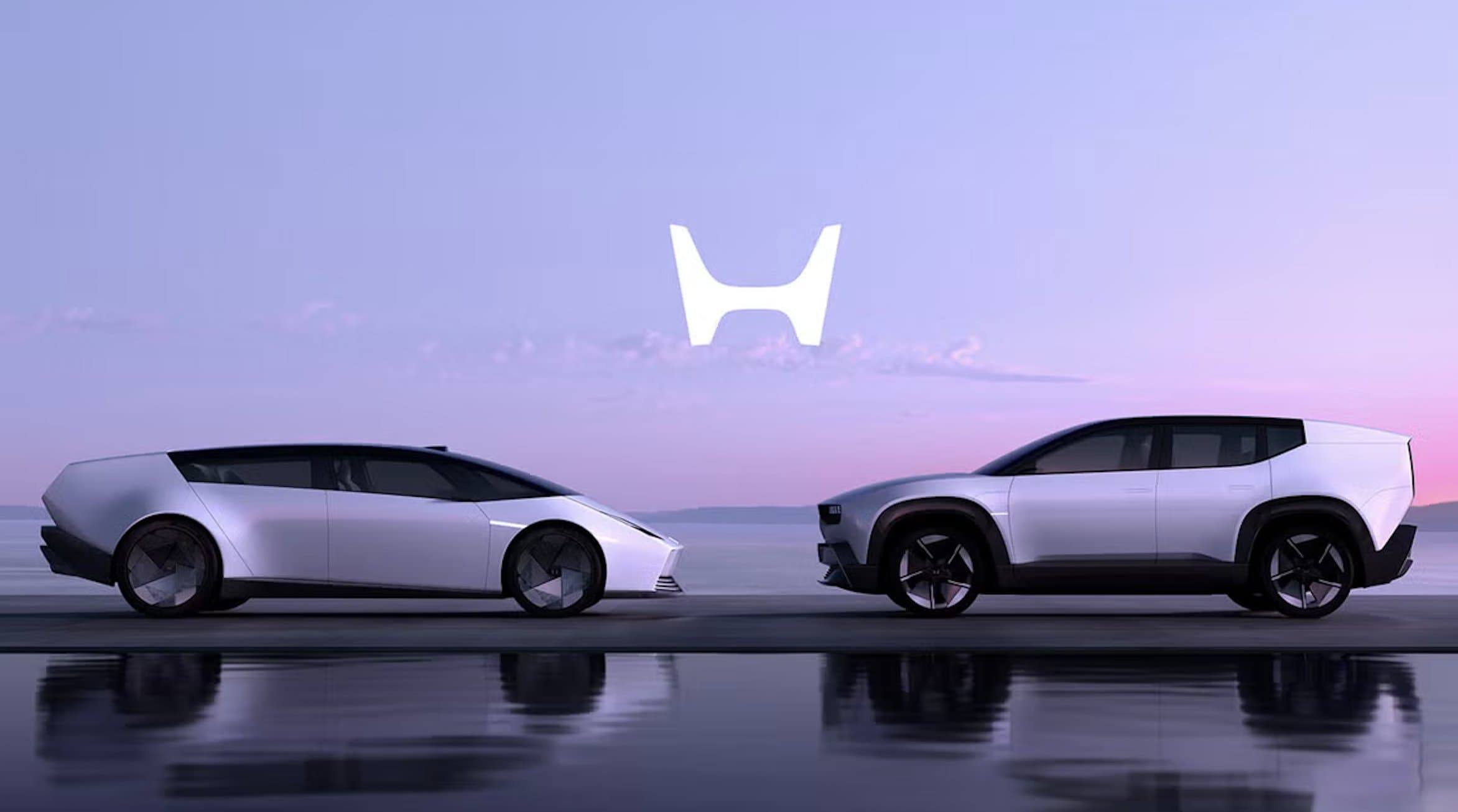
According to current reporting on Honda’s strategy update, the automaker is canceling the planned development and launch of three EVs that had been expected for North America:
- Honda 0 SUV
- Honda 0 Saloon
- Acura RSX EV
Honda said the decision came after reassessing the business environment around EV demand, incentives, production economics, and market timing.
Honda Warns of Significant Losses
Honda’s strategy reset is expected to come with a major financial hit.
Current reporting indicates the company expects:
- ¥820 billion to ¥1.12 trillion in operating expenses tied to the reassessment for the fiscal year ending March 31, 2026
- ¥110 billion to ¥150 billion in impairment losses related to equity-method investments in China
- ¥340 billion to ¥570 billion in special losses in non-consolidated financial results
Broader coverage of the strategy shift has also indicated that the total long-term impact could reach as much as ¥2.5 trillion.
Why Honda Is Pulling Back on EVs
Honda’s reassessment appears to be driven by several overlapping pressures:
- Slower EV adoption growth in the United States
- Changes to government policy and EV incentives
- Intensifying competition in China
- Higher cost pressure on new EV development and launch timing
The company has already signaled a more cautious EV outlook before this latest update, noting that its 2030 EV sales ratio is now expected to fall below its earlier target.
Honda Is Pivoting Toward Hybrids
In the near term, Honda is placing more emphasis on hybrid vehicles, especially in markets where hybrid demand remains strong.
The company has previously said hybrids will play a central role in the transition period before EV adoption reaches a more mature phase. Honda also plans to strengthen regional product competitiveness in markets such as India and other parts of Asia.
China Remains a Major Pressure Point
Honda also acknowledged that competition in China has become more intense, as domestic EV brands continue to move faster with software-defined vehicles, lower-cost development cycles, and increasingly advanced driver-assistance features.
That pressure is reshaping strategy not only for Honda, but for many global automakers trying to stay competitive in the world’s largest EV market.
Honda’s Long-Term Carbon Neutrality Goal Still Stands
Even with this strategy reset, Honda says its long-term goal remains unchanged: achieving carbon neutrality for products and corporate activities by 2050.
The company is expected to provide additional details on its updated mid- to long-term automotive strategy at a future press conference.
Final Thoughts
Honda’s decision to cancel three planned North America EVs is one of the clearest signs yet that major automakers are adjusting to a more difficult EV market than many had expected just a few years ago.
For now, Honda appears to be prioritizing profitability, hybrid demand, and regional flexibility over an aggressive EV rollout. That may help stabilize the business, but it also raises bigger questions about how quickly legacy automakers can scale EV programs in a more volatile market environment.
Explore now: EV listings, List your EV, EvValley homepage.


