Rivian and Uber have announced a major partnership aimed at accelerating their autonomous vehicle plans, with a long-term goal of deploying thousands of robotaxis across major U.S. cities.
According to the announcement, Uber plans to invest up to $1.25 billion in Rivian by 2031, with an initial $300 million already committed following the agreement. Beyond the investment, the partnership also includes a large-scale vehicle rollout.
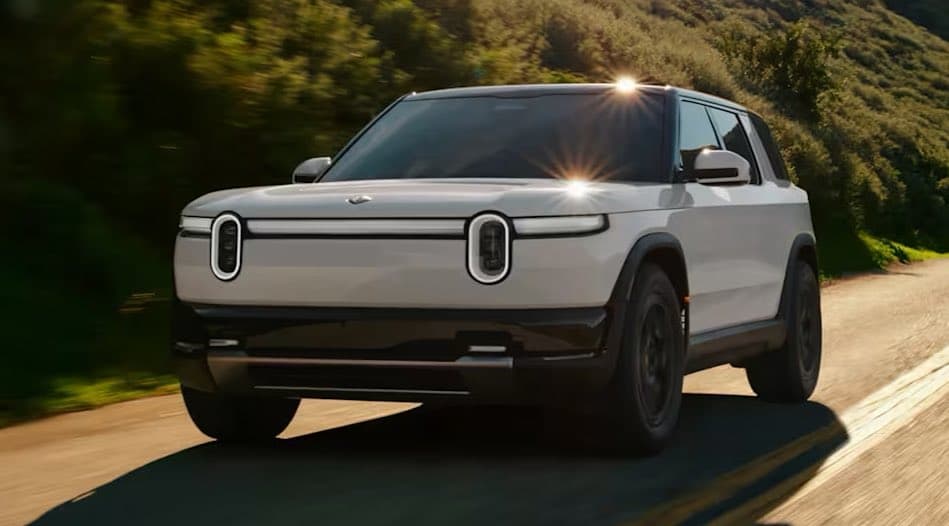
Uber (along with its fleet partners) is expected to purchase 10,000 fully autonomous Rivian R2 robotaxis, with the option to scale that number up to 40,000 vehicles by 2030.
First Deployments Starting in 2028
The companies are targeting San Francisco and Miami for the first deployments, which are expected to begin in 2028. From there, the plan is to expand to 25 cities by 2031.
This timeline shows that while full autonomy is still a few years away from large-scale adoption, both companies are making long-term bets on where mobility is heading.
Why This Partnership Matters
This is more than just a fleet deal. It reflects a broader shift in how autonomous vehicle platforms are being built.
Uber CEO Dara Khosrowshahi highlighted this point, emphasizing Rivian’s approach of developing the vehicle, software, and compute systems together while keeping control over manufacturing and supply.
That level of vertical integration is becoming increasingly important in the race toward autonomy, especially as companies try to scale safely and efficiently.
At the same time, Rivian brings something equally valuable: real-world vehicle data from its growing customer base and experience managing complex fleet operations.
A Bigger Picture: The Future of Mobility
The partnership is another sign that the future of transportation is moving toward autonomous, software-defined fleets, not just individually owned vehicles.
While EV adoption was the first wave, autonomy is shaping up to be the next major shift.
If these plans move forward as expected, services like Uber could gradually transition from driver-based models to fully autonomous fleets in the next decade.
Final Thoughts
It’s still early, and a lot needs to go right for this rollout to succeed. But the scale of this partnership makes one thing clear:
The race toward autonomous mobility is no longer theoretical-it’s already being built.
Explore now: EV listings, List your EV, EvValley homepage.