For years, Toyota was criticized for moving too slowly on fully electric vehicles. In 2026, that narrative is beginning to change.
Toyota sold 21,855 battery-electric vehicles in the United States during the first six months of 2026, representing a 136% increase compared with the same period in 2025, according to sales figures compiled by Cox Automotive.
That means Toyota has more than doubled its U.S. EV volume during a period when the broader electric vehicle market is still facing considerable pressure.
Toyota Is Growing While the Broader EV Market Remains Down
The increase is particularly notable because total U.S. EV sales remained lower than a year earlier.
Cox Automotive estimates that automakers sold 247,226 EVs in the United States during the second quarter of 2026. That represented a 14.2% improvement over the first quarter, but sales were still down 20.5% compared with the same period in 2025.
First-quarter EV sales were also approximately 27% lower year over year.
Against that backdrop, Toyota emerged as one of the strongest-performing EV brands in the country. Cox Automotive now places it fourth among U.S. EV sellers in 2026, behind only Tesla, Chevrolet and Hyundai.
Toyota Went From One EV to a Real Lineup
The explanation for Toyota’s growth is relatively straightforward: the company now has more electric vehicles to sell.
During the first half of 2025, Toyota’s U.S. battery-electric lineup relied almost entirely on the bZ4X, which has since been renamed the Toyota bZ.
The company’s 2026 electric lineup now includes:
- Toyota bZ
- Toyota C-HR electric crossover
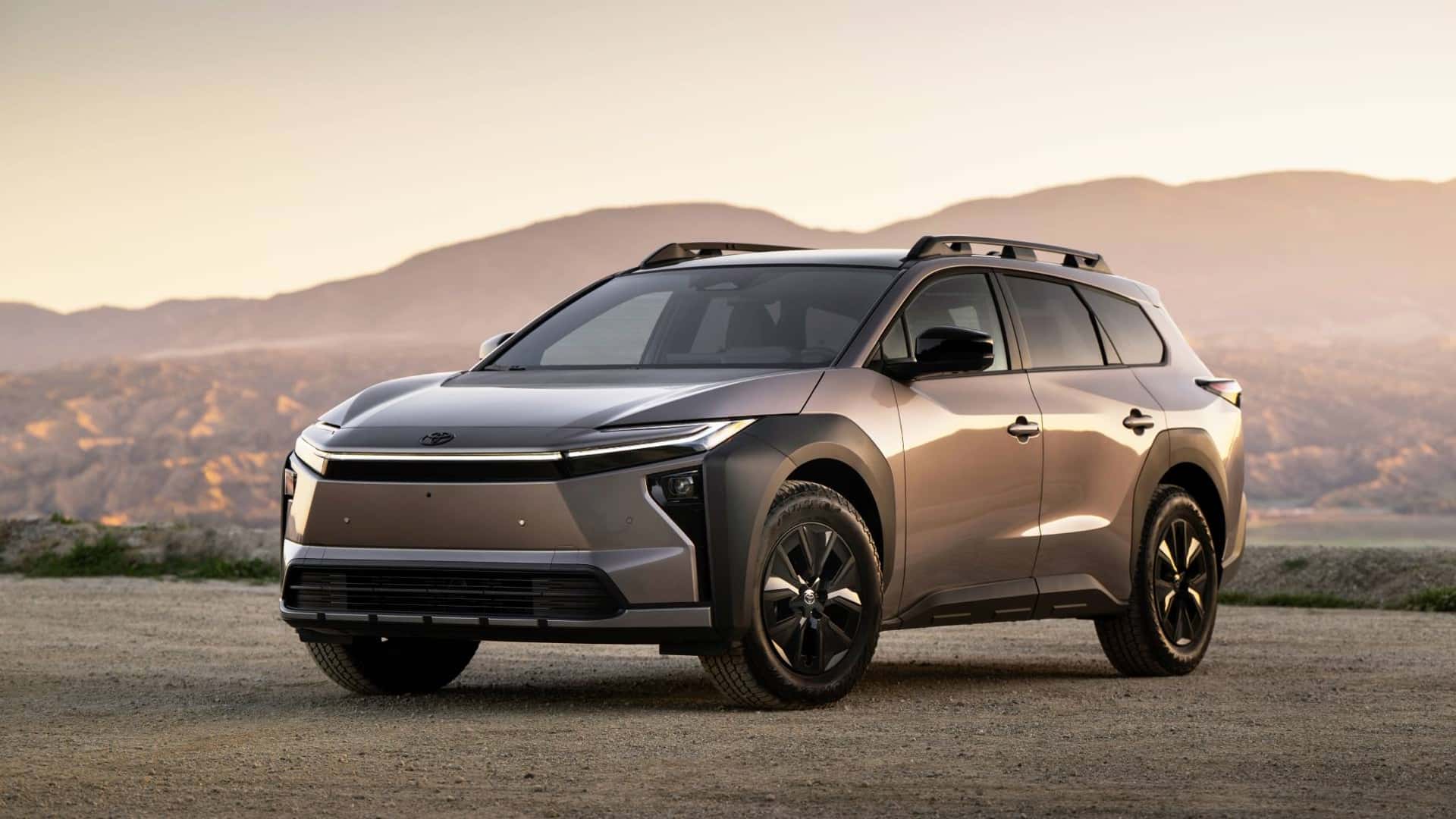
- Toyota bZ Woodland
The regular Toyota bZ remains the clear volume leader. Through June, Toyota sold 17,553 bZ crossovers, nearly twice as many as it sold during the same period last year.
The new electric C-HR contributed more than 3,700 sales, while the remaining volume came from the more adventure-oriented bZ Woodland.
| Toyota EV | First-Half 2026 U.S. Sales |
|---|---|
| Toyota bZ | 17,553 |
| Toyota C-HR | More than 3,700 |
| Toyota bZ Woodland | Remaining volume |
| Total Toyota EV Sales | 21,855 |
The Updated Toyota bZ Is Finally More Competitive
A broader lineup explains part of Toyota’s growth, but the vehicles themselves have also improved.
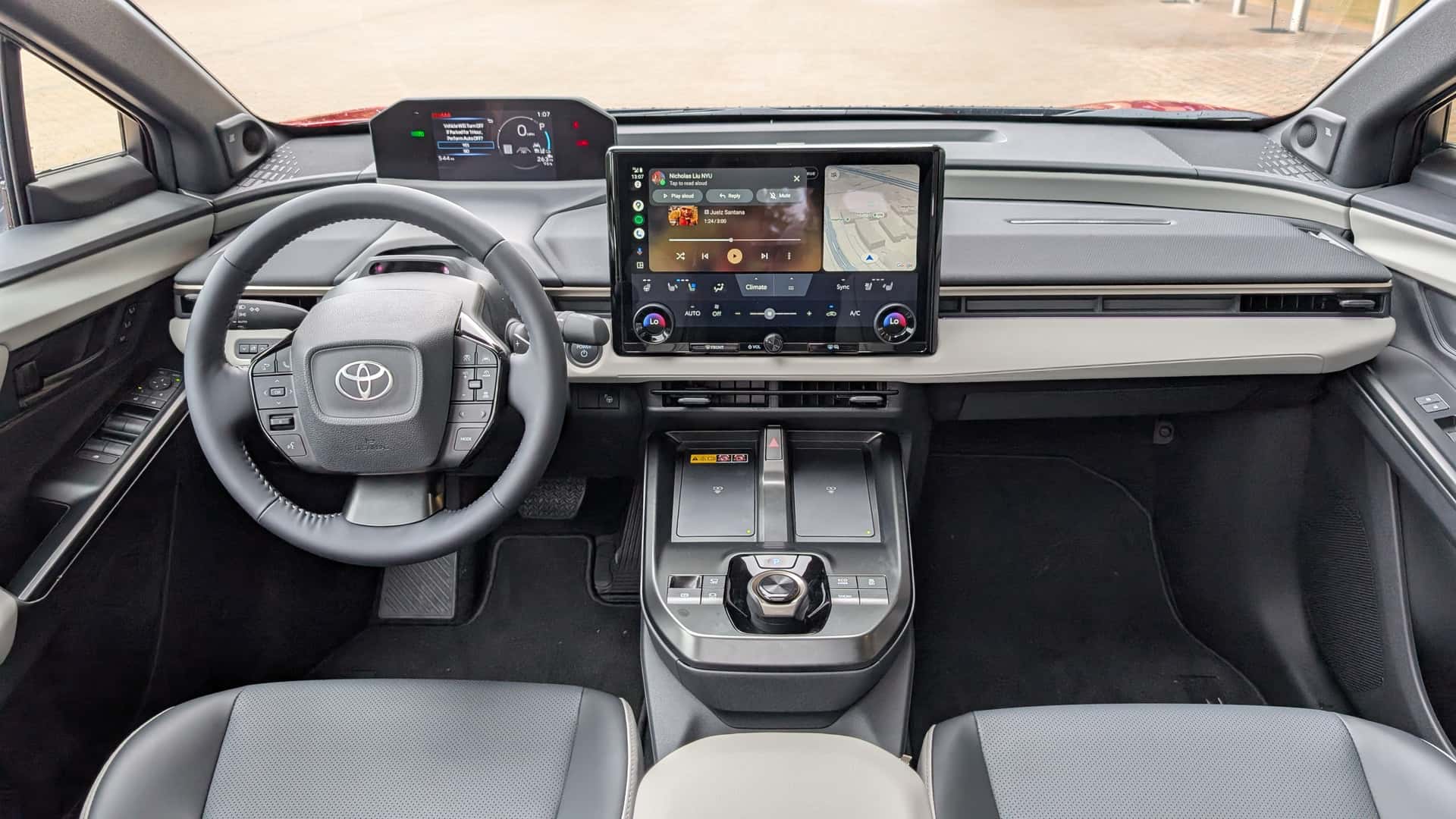
The 2026 Toyota bZ received significant updates intended to address some of the biggest criticisms directed at the earlier bZ4X.
Depending on the configuration, the updated bZ now offers:
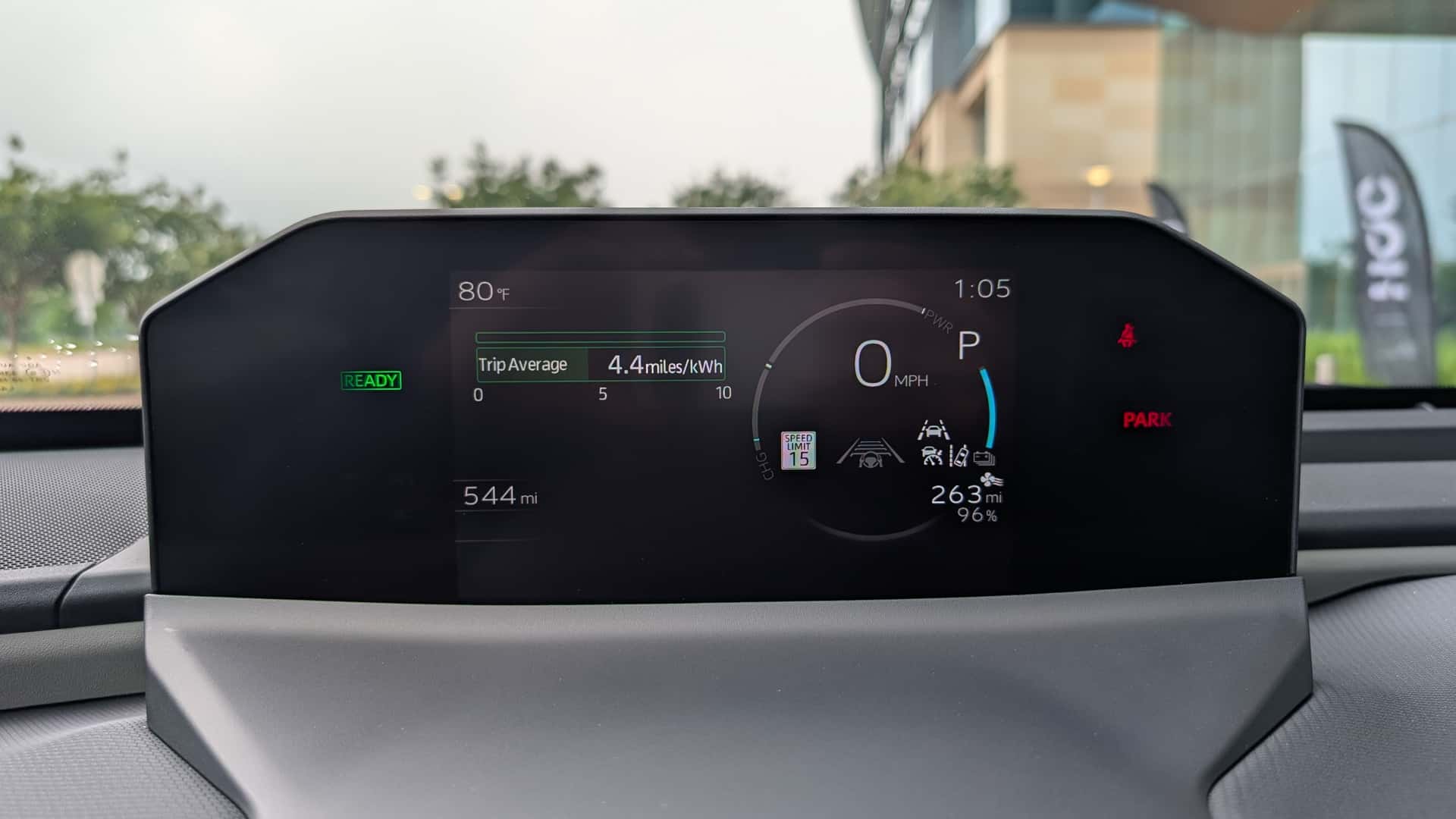
- Up to 314 miles of EPA-estimated driving range
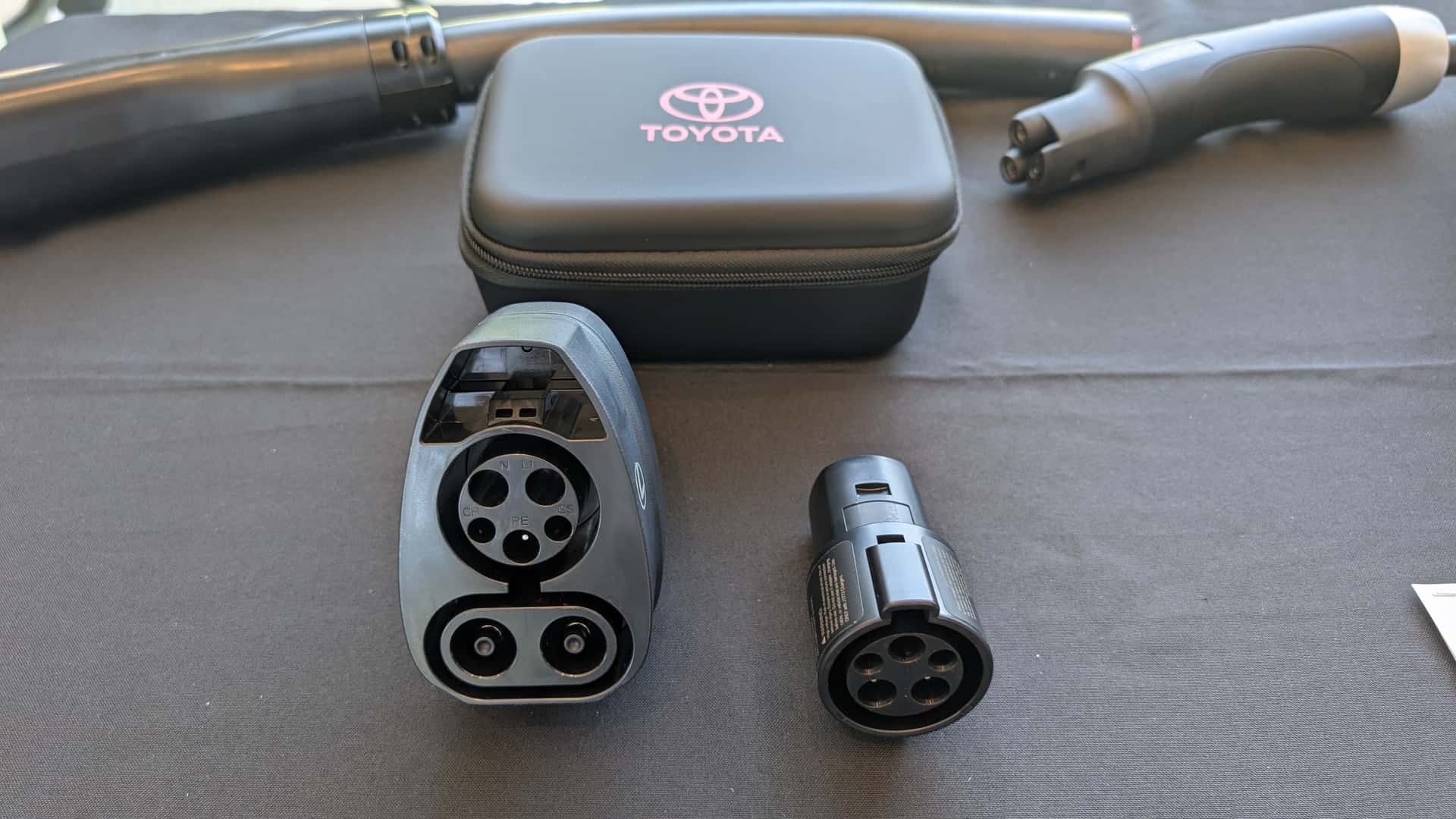
- Native North American Charging System compatibility
- Access to compatible Tesla Supercharger locations
- Improved battery performance and charging capability
- A starting MSRP of $34,900 before destination charges
With Toyota’s destination and handling charge included, the entry-level model starts at approximately $36,350 before taxes, registration, dealer fees and optional equipment.
The previous bZ4X offered a maximum EPA-estimated range of approximately 252 miles. Increasing that figure to as much as 314 miles makes the updated model significantly easier to compare with mainstream electric crossovers from Tesla, Hyundai, Chevrolet and Ford.
Strong Incentives Have Also Helped
Product improvements are not the only factor supporting Toyota’s EV growth.
Manufacturer and dealer incentives have helped make the bZ more attractive to buyers. Cox Automotive data cited by InsideEVs indicated that incentives on the Toyota bZ were worth approximately 30% of its average transaction price in February 2026.
The broader EV industry average was 14.2% during the same month.
Incentives vary by region, dealer, financing method and eligibility, so buyers should review the terms available in their local market. Still, aggressive pricing has clearly helped Toyota attract shoppers who might otherwise have considered a competing electric crossover.
A Major Turnaround From 2025
The scale of Toyota’s progress becomes clearer when compared with the previous year.
Toyota sold just 9,249 battery-electric vehicles in the United States during the first half of 2025. That placed it behind brands including Volkswagen, Rivian, Nissan, Kia, Honda, GMC, Ford, Cadillac, BMW and Audi.
During the first half of 2026, Toyota moved ahead of all those brands in Cox Automotive’s EV sales rankings.
| Period | Toyota U.S. EV Sales | Year-Over-Year Change |
|---|---|---|
| First Half of 2025 | 9,249 | — |
| First Half of 2026 | 21,855 | +136% |
Toyota does not suddenly dominate the American EV market. Tesla remains far ahead, while Chevrolet and Hyundai also continue to generate significant electric vehicle volume.
However, Toyota’s trajectory is now difficult to ignore, especially as several competitors reduce production targets, cancel planned models or reconsider future EV investments.
Toyota’s Electrified Business Is Still Much Larger
It is important to separate Toyota’s battery-electric sales from its broader electrified vehicle business.
Toyota uses the term “electrified vehicles” to include battery-electric vehicles, conventional hybrids, plug-in hybrids and fuel-cell vehicles.
According to Toyota Motor North America, the company sold 383,091 electrified vehicles during the second quarter of 2026. That was an increase of 19.5% year over year and represented 56.8% of Toyota Motor North America’s total quarterly sales.
Most of that volume still comes from hybrid vehicles rather than fully electric models. Hybrids remain central to Toyota’s strategy across popular nameplates such as the RAV4, Camry, Corolla and Prius.
Toyota has therefore not abandoned its multi-powertrain strategy. What has changed is that its fully electric lineup is beginning to generate meaningful sales volume of its own.
What Comes Next for Toyota EVs?
The bZ Woodland gives Toyota a more rugged electric crossover, while the electric C-HR provides a smaller option for buyers who do not need the size of the standard bZ.
Toyota is also preparing a fully electric next-generation Highlander. Following a reported production delay, the three-row electric SUV is currently expected to begin reaching customers in 2027.
The main question is whether Toyota can maintain its current growth once the initial effect of new product launches and aggressive incentives begins to normalize.
For now, the results are clear: Toyota sold 21,855 EVs in the United States during the first half of 2026, up 136% year over year, while the overall American EV market continued to report double-digit annual declines.
Final Thoughts
Toyota spent years watching the EV market develop from behind many of its competitors. In 2026, it is finally beginning to close part of that gap.
The company’s progress is not the result of one dramatic breakthrough. It comes from a combination of more models, longer driving range, improved charging compatibility and aggressive pricing.
For a brand that was widely viewed as an EV laggard, becoming one of America’s top five electric vehicle sellers represents a meaningful turnaround.
Toyota still has a long way to go before challenging Tesla at scale. But its electric vehicle business is no longer something the market can dismiss.
Explore more on EvValley:
Browse electric vehicles for sale
Sell your electric vehicle
Visit the EvValley homepage
Sources: