Ford is exploring a future where EV owners could have much more control over how their vehicles are used when handed off to someone else.
The company recently published a patent application describing a power-limiting rental mode for future electric vehicles. The idea would allow owners to remotely restrict vehicle performance when lending, sharing, or renting out their EVs.
While a patent does not guarantee a production feature, it offers a useful look at how Ford is thinking about vehicle ownership in an increasingly software-driven world.
A Rental Mode Designed for More Control
According to the patent filing, owners could activate a special rental mode before handing their vehicle over to another driver.
Once enabled, the system could:
- Reduce available power output
- Limit acceleration performance
- Restrict access to certain vehicle features
- Allow remote management through connected services
The goal appears to be simple: give owners more confidence when someone else is driving their vehicle.
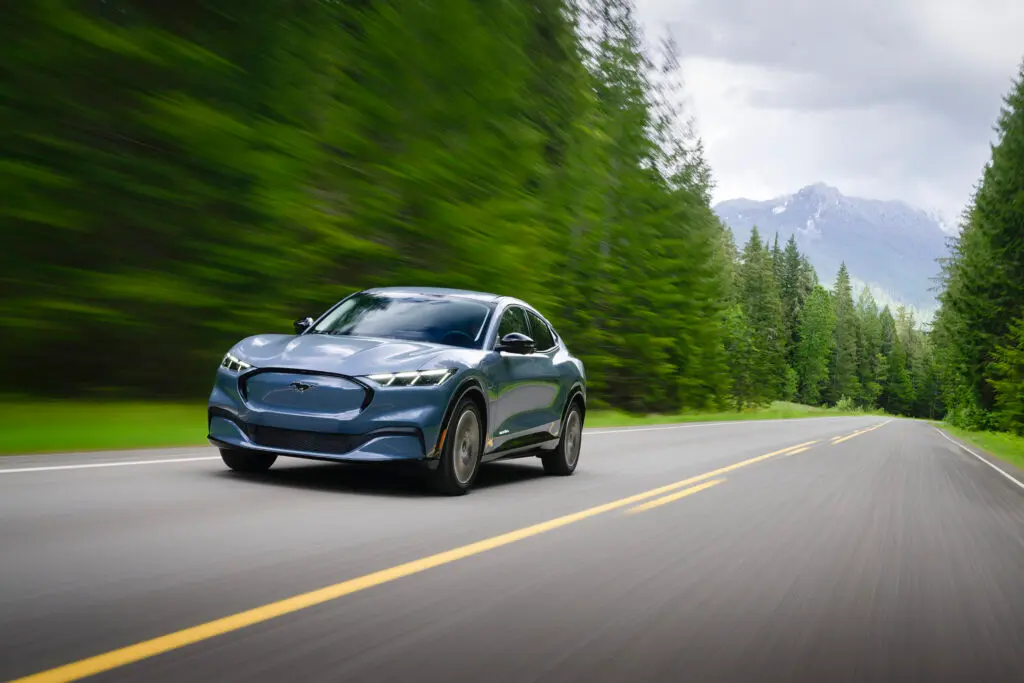
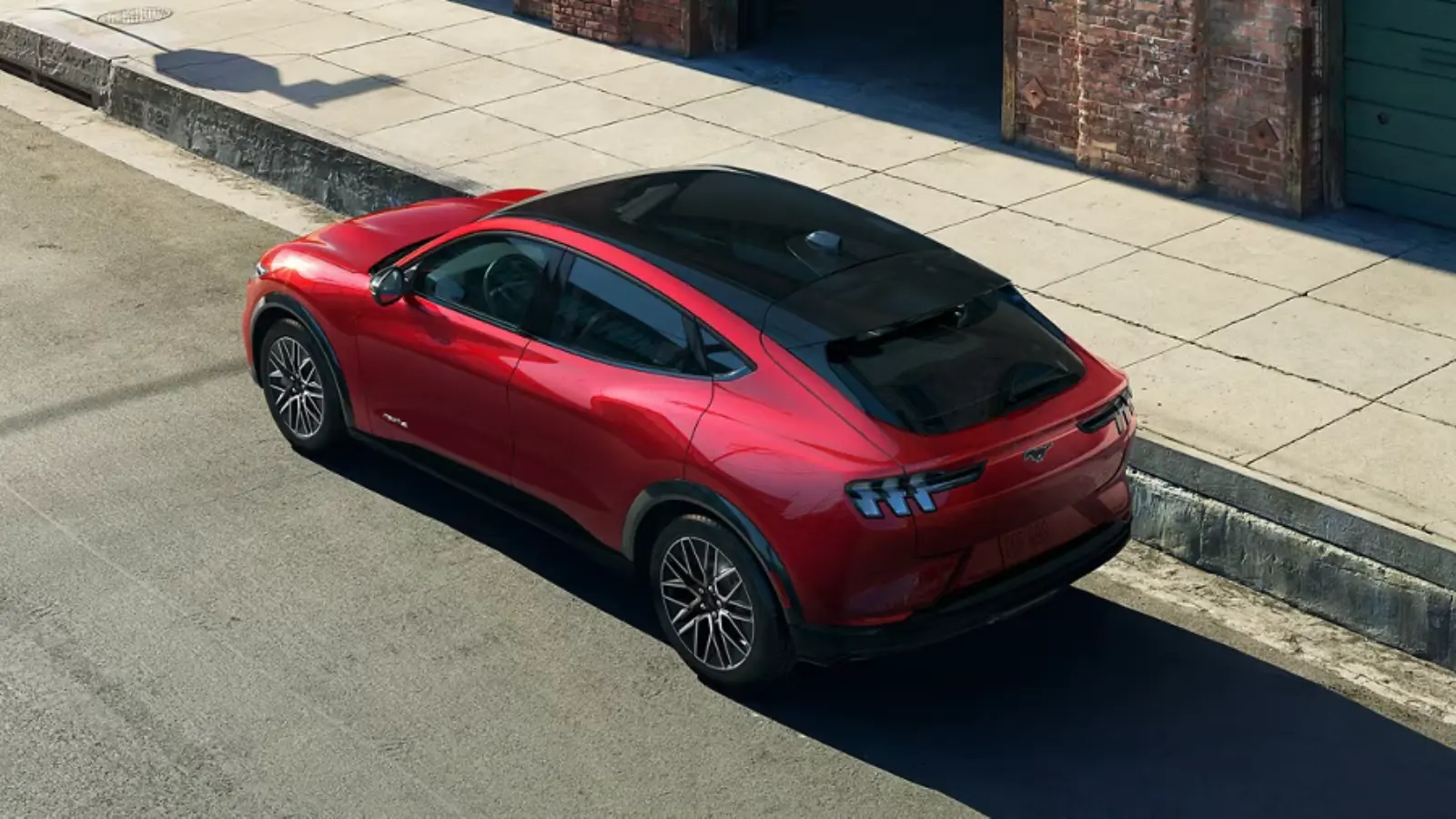
For high-performance EVs like the Ford Mustang Mach-E or future electric performance models, limiting power could help reduce wear and tear while lowering the risk of misuse.
Feature Unlocks Could Be Managed Remotely
One of the more interesting parts of the filing involves software-based feature requests.
Ford describes a scenario where a renter could request access to additional performance or premium features directly through the vehicle’s software. The owner would then be able to approve or reject those requests remotely.
That reflects a broader shift happening across the automotive industry.
Modern vehicles increasingly function as software platforms, where capabilities can be enabled, restricted, or updated digitally rather than through physical hardware changes.
Built for the Growing Vehicle-Sharing Market
The patent appears especially relevant for:
- Peer-to-peer vehicle rentals
- Family vehicle sharing
- Business fleet management
- Corporate EV programs
Ford has previously filed patents related to vehicle-sharing technologies, including concepts involving digital keys, renter verification, vehicle tracking, and temporary access controls.
This latest filing fits naturally within that broader strategy.
Not a New Idea, But a New Application
Performance restrictions already exist in different forms.
Many automakers already offer:
- Valet modes
- Teen driver settings
- Speed limiters
- Configurable drive modes
Ford’s proposal pushes those ideas a step further by applying them specifically to rentals and shared vehicle use.
For EVs, software-based controls are especially powerful because acceleration, power delivery, and vehicle behavior can often be adjusted through code rather than mechanical changes.
Will We Actually See It?
As always with patent filings, there are no guarantees.
Ford has said that patent applications should not be viewed as confirmed product plans, and many patented ideas never make it to production vehicles.
Still, the filing highlights an important trend.
Automakers are increasingly treating vehicles as connected platforms capable of offering personalized permissions, remote management tools, and software-controlled experiences.
Final Thoughts
Ford’s power-limiting rental mode may sound like a niche feature today, but it points to a much bigger shift taking shape across the auto industry.
As EVs become more connected, owners will likely gain more control over who can access their vehicles, how those vehicles are used, and what features are available to different drivers.
Whether this specific patent ever reaches production or not, it offers a clear glimpse into the future of software-defined vehicles, where ownership is no longer just about the car itself, but also about controlling the digital experience behind it.
Explore now: EV listings, List your EV, EvValley homepage.