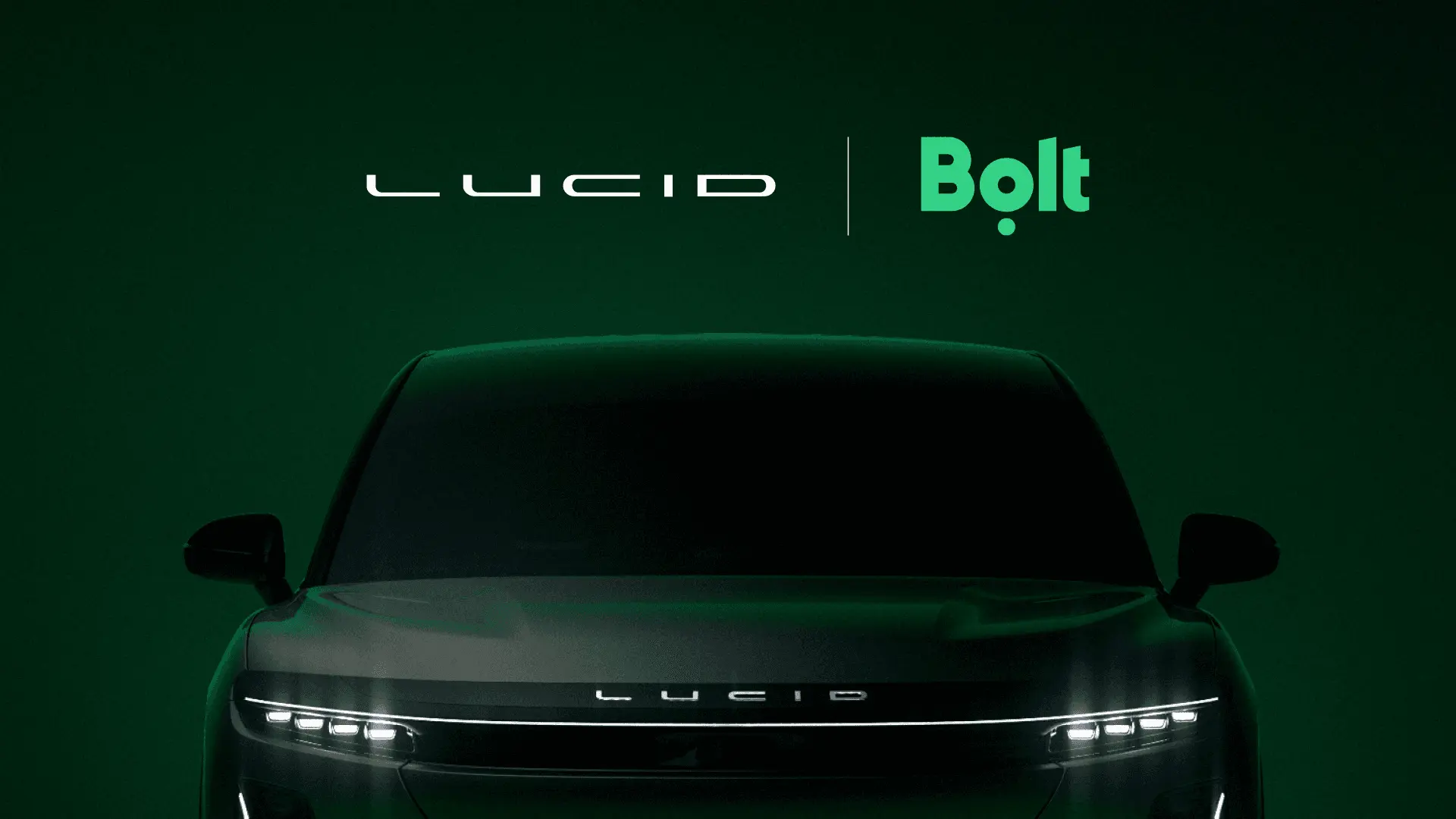
Lucid and Bolt are planning a major expansion into autonomous transportation in Europe.
The electric vehicle manufacturer and European mobility platform have announced a partnership targeting at least 25,000 autonomous Lucid vehicles across multiple European cities and countries.
For Lucid, the project creates another potential market for its EV technology beyond individual car buyers. For Bolt, it represents a step toward making driverless vehicles part of its existing ride-hailing network.
However, this is a development and deployment plan, not a fleet already operating on European roads. Vehicle development, autonomous-driving validation, and regulatory approvals still lie ahead.
Bolt Plans to Own and Operate the Fleet
The partnership goes beyond a conventional agreement to supply vehicles.
Bolt intends to own and operate the fleet while participating in the development process. Its responsibilities are expected to include helping define vehicle requirements, software integration, safety parameters, and the passenger experience.
That approach could help address practical questions before the vehicles enter service:
- How passengers locate and access their vehicle.
- How the fleet handles charging, cleaning, and maintenance.
- How riders receive support when something goes wrong.
- How vehicles fit into local transport rules and infrastructure.
These details may receive less attention than the self-driving technology, but they will be essential to making an autonomous service useful in everyday life.
A Future Lucid Platform, Not the Air or Gravity
The European program is planned around Lucid’s upcoming Midsize platform, rather than its existing Air sedan or Gravity SUV.
That distinction matters. A vehicle designed for frequent ride-hailing trips has different priorities from a privately owned luxury car. Cabin access, operating costs, durability, and time spent charging can all influence whether a fleet makes commercial sense.
For Lucid, the opportunity is to apply its electric powertrain and vehicle architecture expertise to a different use case. Instead of competing only for consumer purchases, the company could also supply vehicles built around shared transportation.
NVIDIA Hyperion Is the Foundation, Not the Finished Driver
The vehicles are expected to use NVIDIA Hyperion, a reference architecture combining computing hardware with a standardized sensor suite.
The program targets SAE Level 4 autonomy. In practical terms, that means driverless operation within specified operating conditions, rather than the ability to drive anywhere in every situation.
Importantly, an autonomy-ready hardware platform is not the same as a completed and approved self-driving service. Lucid and Bolt still need autonomous-driving technology partners to help develop and integrate the system that will operate the vehicles.
Buyers and investors should therefore distinguish between the planned capability and what has actually been deployed.
Part of Bolt’s Broader Autonomous Strategy
Bolt’s longer-term ambition is to have 100,000 autonomous vehicles on its platform by 2035. The proposed Lucid fleet would represent a substantial share of that target.
The company is also pursuing other partnerships, including an autonomous mobility testing program in Luxembourg involving Pony.ai and Stellantis.
Working with multiple vehicle and technology providers gives Bolt different routes toward deployment. It also reflects an important reality: building an autonomous transport service requires more than a capable vehicle.
Fleet operations, customer support, local infrastructure, and cooperation with authorities all have to function together.

What Still Needs to Happen?
The headline fleet target is significant, but several important questions remain unanswered.
- Which European cities will receive the service first?
- When will pilot operations and commercial rides begin?
- Which autonomous-driving systems will power the vehicles?
- How quickly can production and fleet operations scale?
The partnership announcement does not provide a firm commercial launch date or a detailed purchase and delivery schedule. The 25,000-vehicle ambition should not be treated as completed sales or guaranteed near-term revenue.
European deployment will also require coordination with regulators and local authorities. Progress in one market does not automatically mean the same service can launch everywhere else.
What This Means for the EV Market
From EvValley’s perspective, the partnership highlights how the EV industry is expanding beyond the traditional ownership model.
Automakers are exploring whether their vehicle technology can support shared fleets as well as personal transportation. Mobility platforms, meanwhile, are becoming more involved in how those vehicles are designed and operated.
If these programs succeed, more people could experience electric transportation without buying an EV themselves. But success will depend on safe operation, reliable service, and sustainable costs, not simply the size of a deployment announcement.
Final Thoughts
Lucid and Bolt’s plan brings together an upcoming electric vehicle platform and an established European mobility business.
The opportunity is substantial, but so is the work remaining. The partnership still needs to turn its vehicle architecture, autonomous-driving technology, and operational plans into a service that passengers can actually use.
For now, the key takeaway is straightforward: 25,000 autonomous EVs is the target, not today’s reality. The next milestones to watch are confirmed pilot locations, regulatory progress, and a clear deployment timeline.
Follow the latest electric vehicle news and explore your next EV on EvValley.
Browse EV listings | List your EV | Read more EV news | Visit EvValley