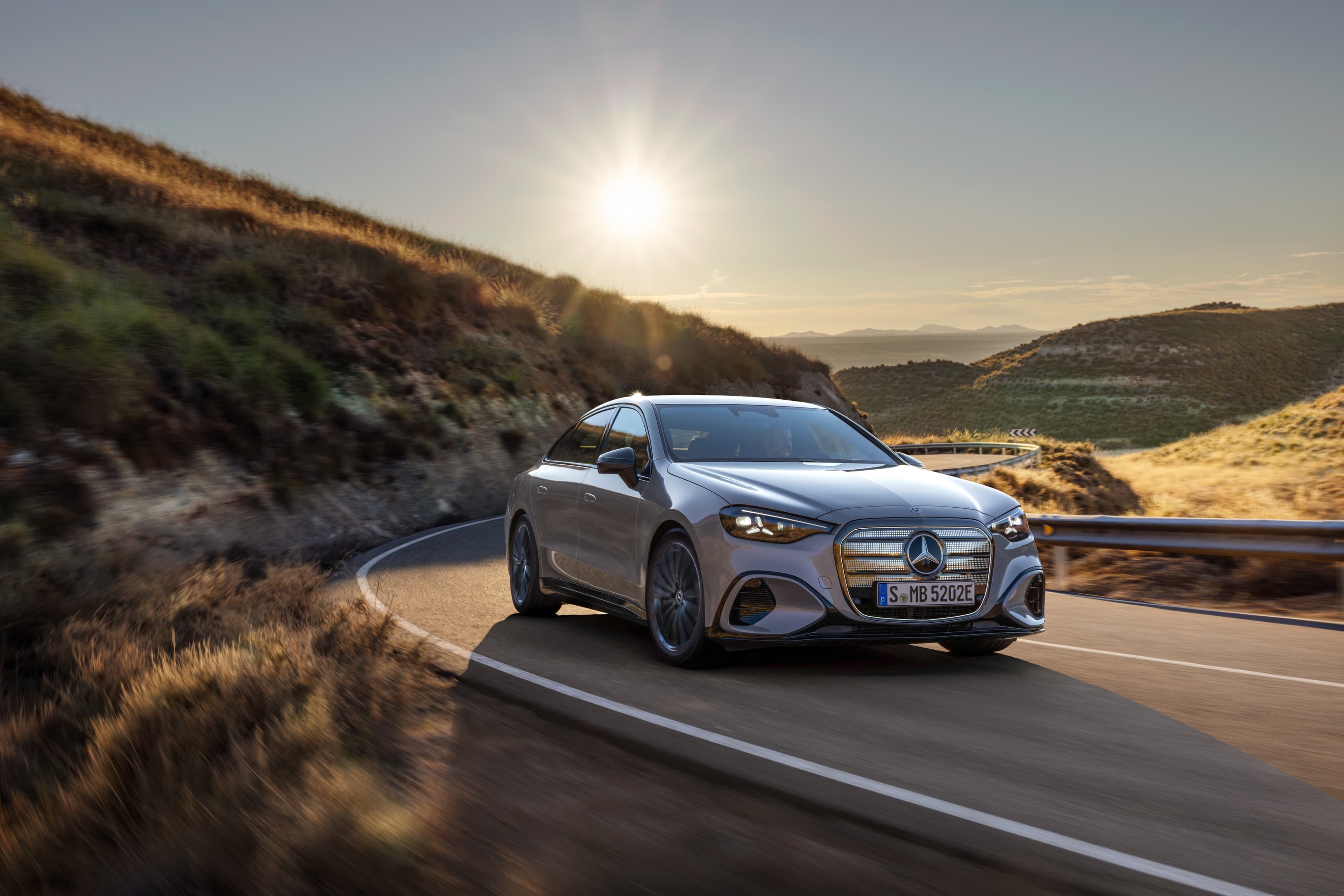
Mercedes is getting ready to electrify one of its most important models.
The upcoming C-Class EV, expected to arrive as part of the brand’s next-generation lineup, marks a shift in how Mercedes approaches its core vehicles. Instead of treating electric models as separate products, the company is starting to bring EVs directly into its main lineup.
Built on a New Platform
The new electric C-Class is expected to be based on Mercedes’ MMA platform (Mercedes Modular Architecture), designed specifically for compact and midsize EVs.
This matters because earlier electric models were often built on adapted platforms. The new approach is fully electric from the ground up, which usually means:
- Better efficiency
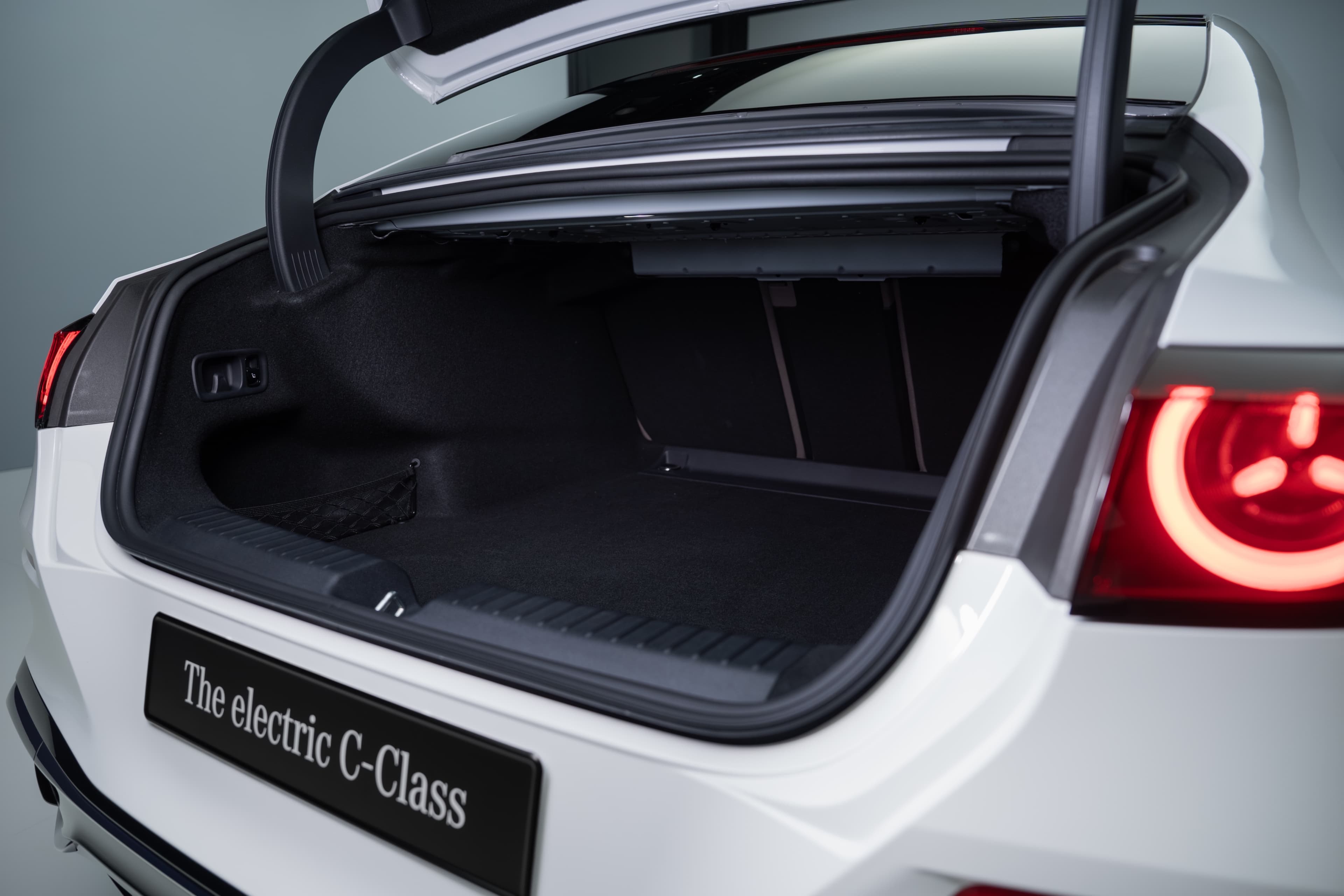
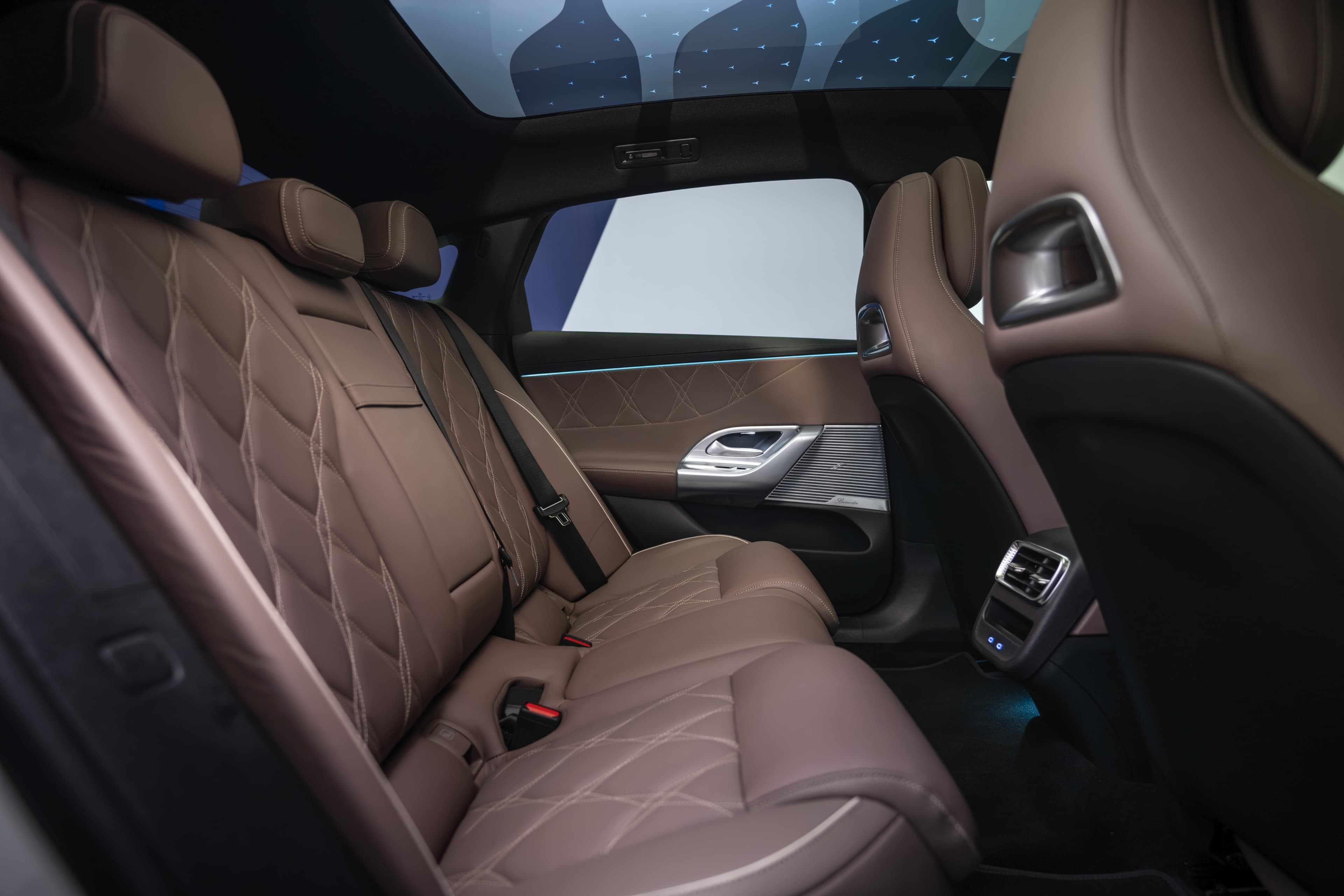
- More interior space
- Improved battery integration
Mercedes has also confirmed that the MMA platform will support both electric and hybrid configurations, depending on the market.
Range and Efficiency
While final specs have not been officially confirmed, early details suggest the C-Class EV could offer:
- Up to 750 km (around 466 miles WLTP) range in higher trims
- Improved battery efficiency
- Faster charging compared to previous Mercedes EVs
The focus here is clearly on real-world usability, not just performance numbers.
Design Direction
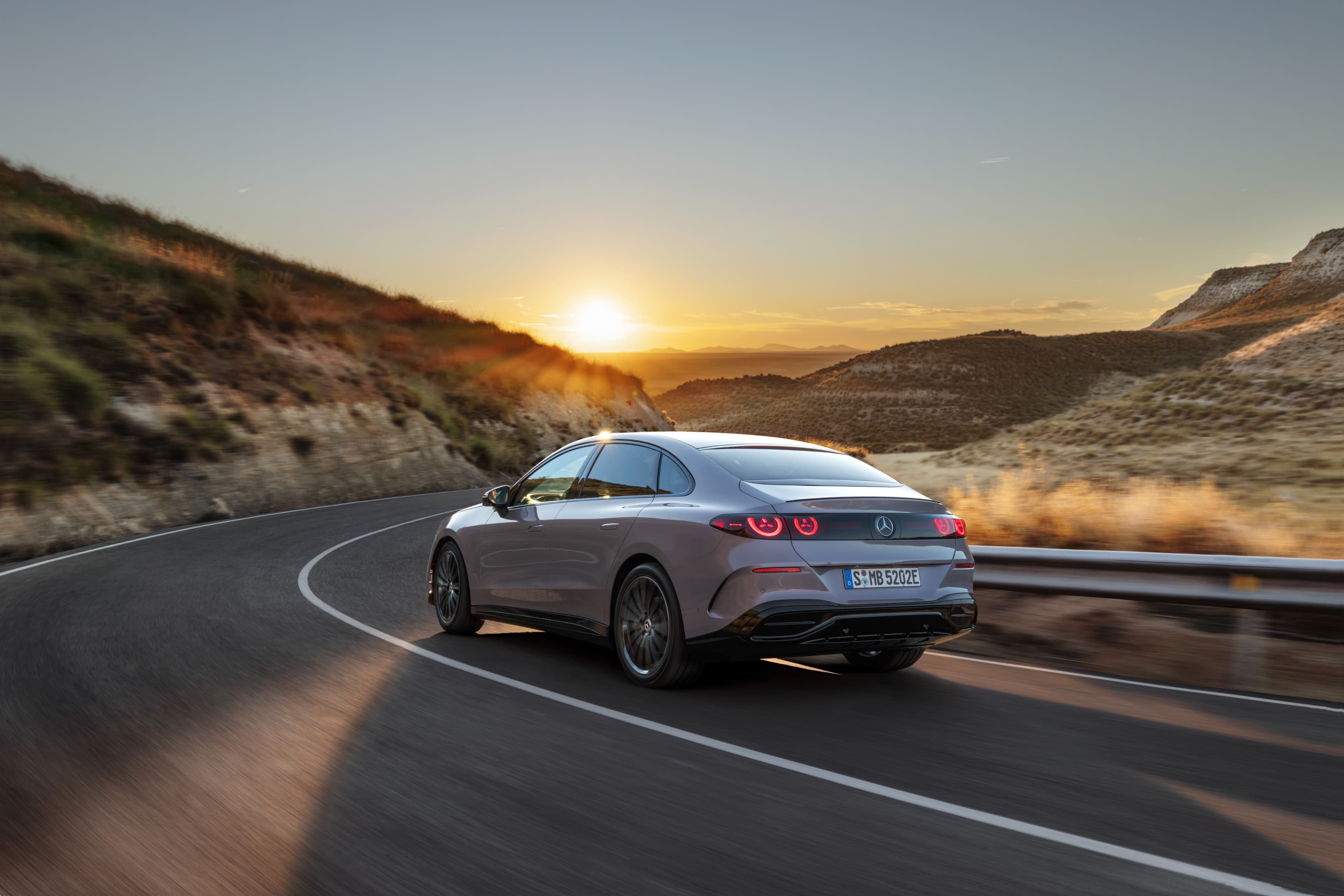
Visually, the electric C-Class is expected to move away from the older EQ styling.
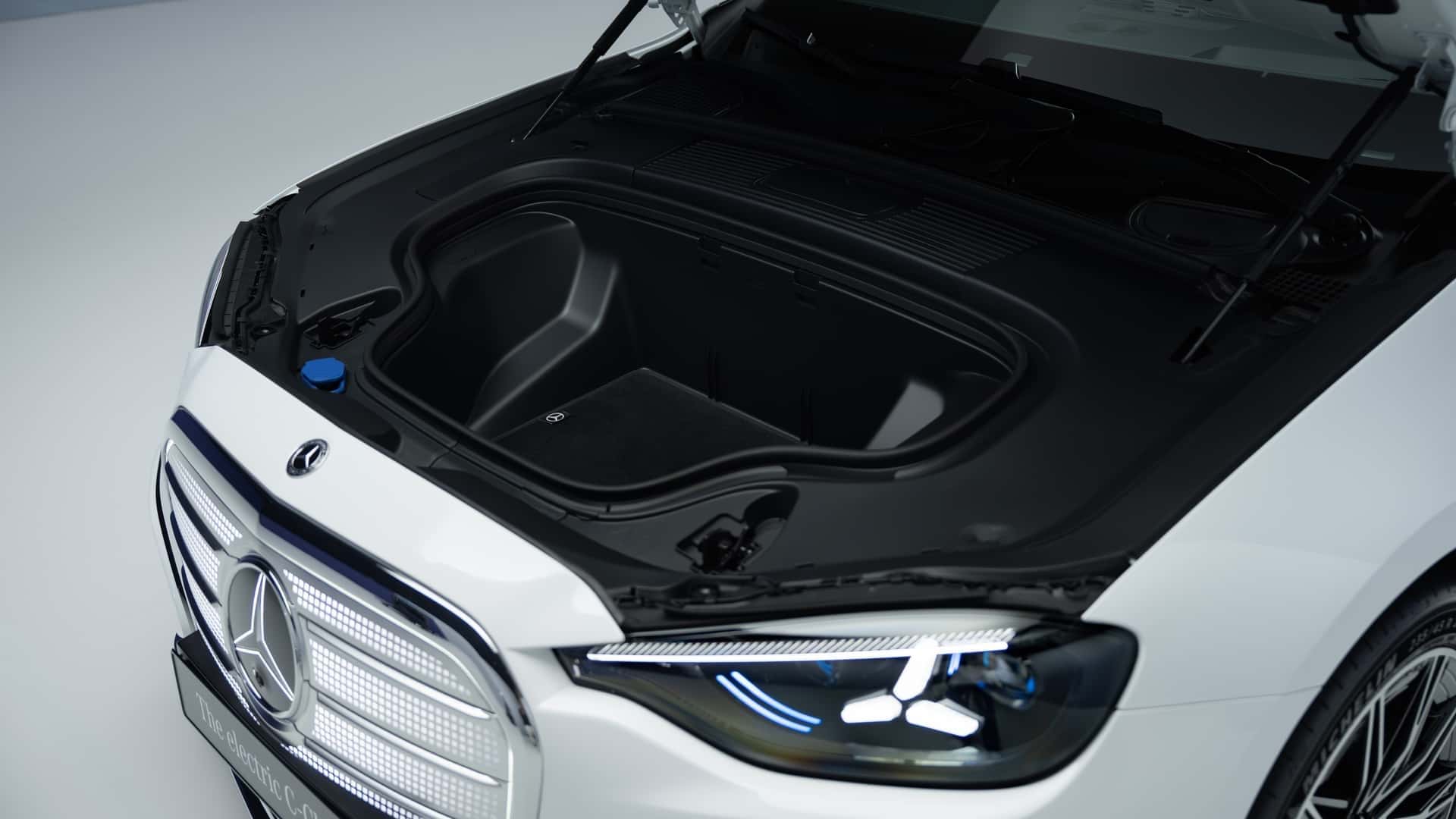
Instead of looking like a completely separate EV, it will likely stay closer to the traditional C-Class design, with:
- Smoother aerodynamics
- A closed front grille
- Updated lighting
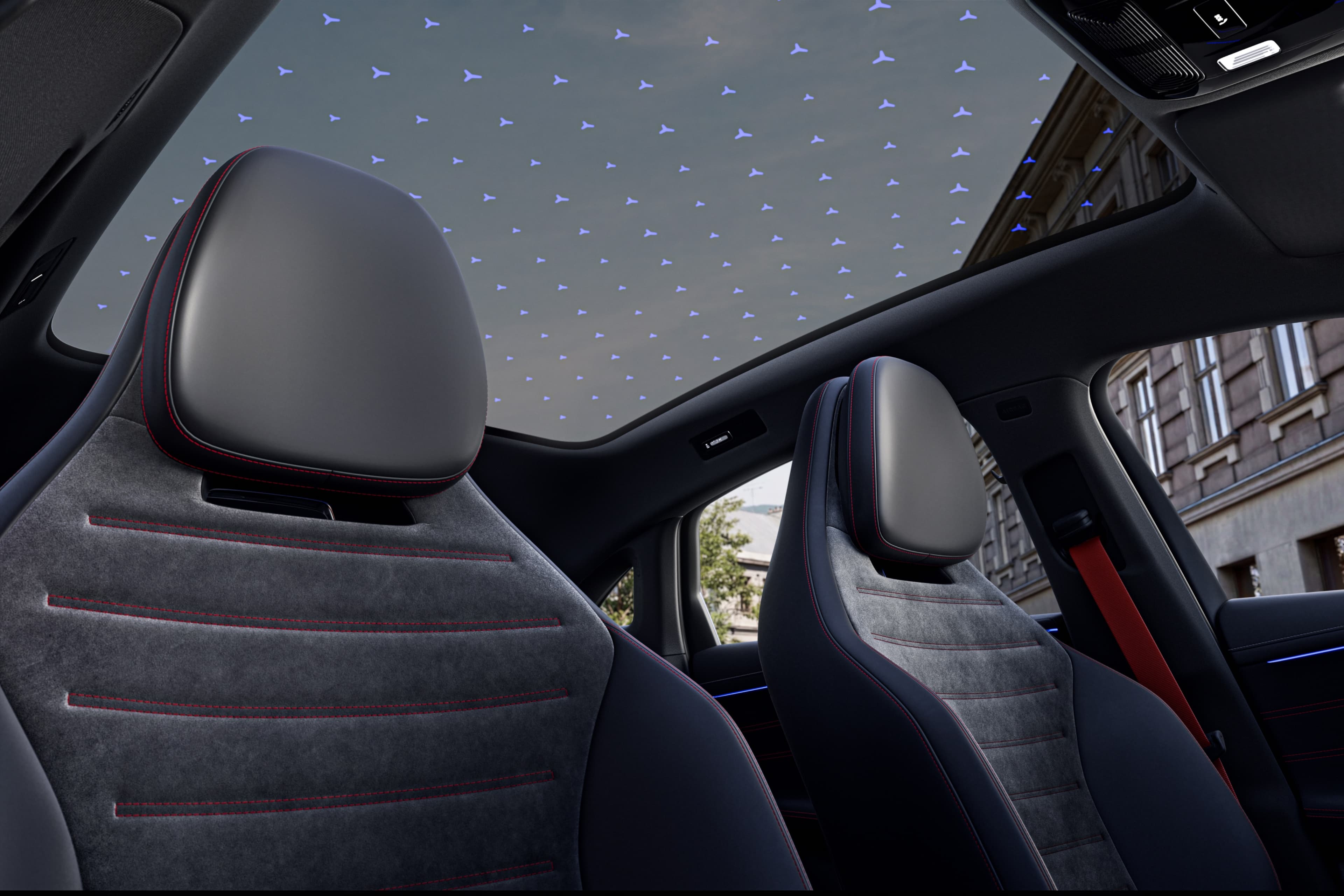
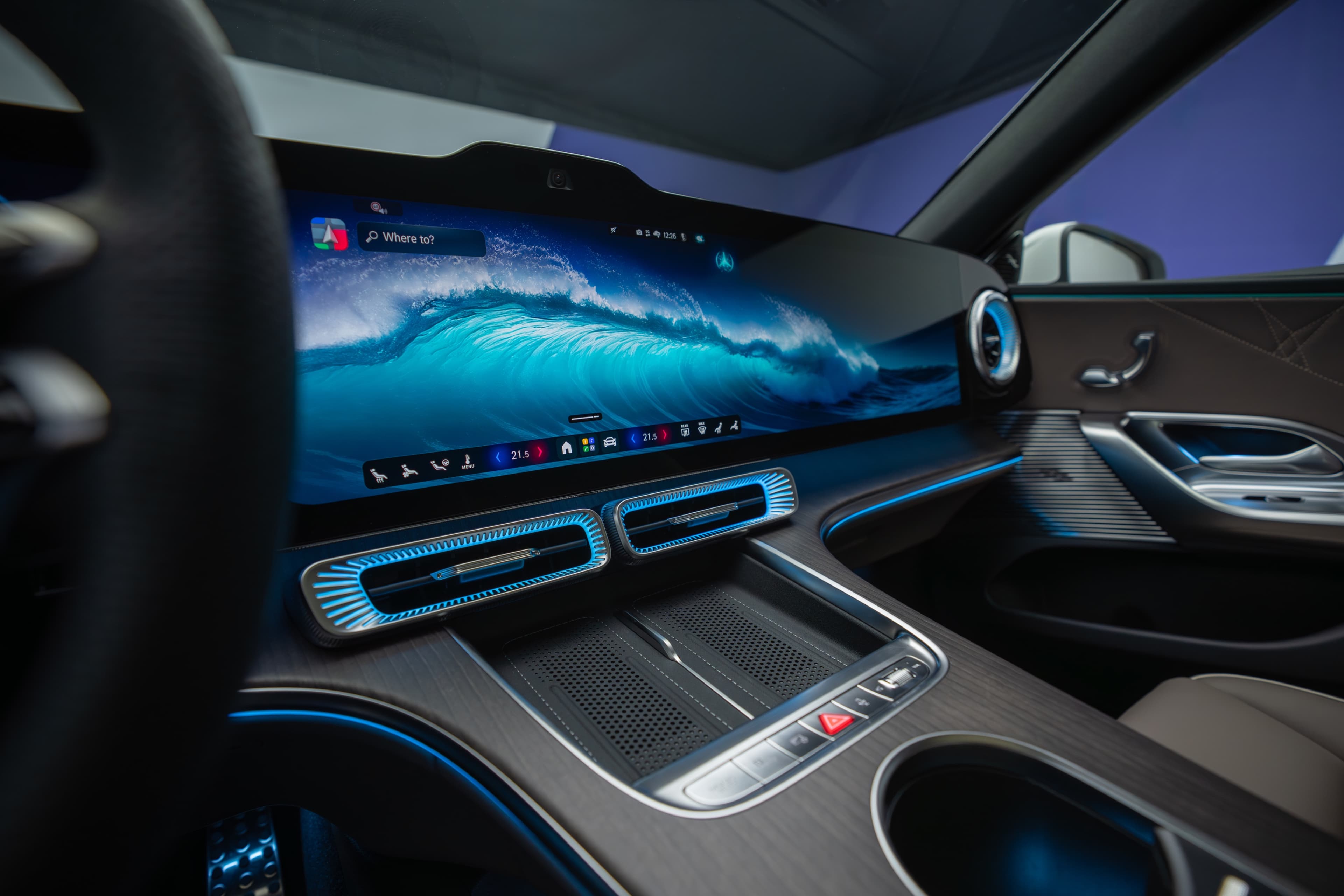
Inside, the cabin is expected to be more digital and minimal, with:
- Large central displays
- Updated infotainment system
- Cleaner layout overall
Will It Come to the U.S.?
Yes, but not immediately.
Mercedes is expected to launch the C-Class EV globally in 2026, with the U.S. market likely following in late 2026 or early 2027, most likely as a 2027 model-year vehicle.
The rollout strategy is intentional:
- Europe and China come first
- The U.S. follows after initial launch
This phased approach allows Mercedes to scale production and adapt to different market conditions.

Why This Model Matters
The C-Class has always been one of Mercedes’ most important global models.
Bringing it into the EV era is a major step, especially in a segment that is becoming increasingly competitive.
Instead of pushing buyers toward separate EV models, Mercedes is making electric cars feel more familiar. That could make the transition easier for a much broader audience.
Competing in a Crowded Segment
When it arrives, the C-Class EV will compete directly with:
- Tesla Model 3
- BMW i4
- Polestar 2
This is one of the most competitive EV segments today, where price, range, and daily usability matter more than ever.
Final Thoughts
The Mercedes C-Class EV is not just another electric sedan.
It represents a shift in strategy.
Mercedes is moving away from separate EV branding and bringing electrification into its core lineup. If executed well, that could make EV adoption feel far more natural for everyday drivers.
And when it finally reaches the U.S., it could quickly become one of the most important premium EV sedans in the market. ⚡️
Explore now: EV listings, List your EV, EvValley homepage.